Peltier cooling
Efficient cooling for control cabinets with Peltier cooling units
The right cooling for the control cabinet is crucial to ensure the functionality and longevity of sensitive electronics. Overheating can lead to costly failures, production interruptions, and increased maintenance costs. With a modern Peltier cooling unit, you benefit from an innovative and efficient solution for control cabinet cooling—ideal for industrial plants, outdoor installations, or compact control enclosures.
Why Peltier cooling units?
A Peltier cooling device uses the thermoelectric Peltier effect, which enables cooling without refrigerants. This makes the devices low-maintenance and environmentally friendly. Thanks to their compact design, Peltier cooling devices are easy to integrate and are suitable for both indoor and outdoor applications. Further advantages:
- Robust design: Resistant to dust, moisture, and vibrations.
- Flexible installation: Versatile application possibilities regardless of the environment.
- High IP protection: Ideal for wet environmental conditions.
Applications of Peltier technology
Peltier cooling devices are used in many areas where precise temperature control is required. Typical areas of application are:
- Industrial plants: Cooling of sensitive control electronics.
- Outdoor control cabinets: Protection against extreme temperatures and weather conditions.
- Compact housings: Automation technology, sensor technology, cameras, and laser applications.
- Partial cooling: Direct cooling of individual sensitive components rather than the entire control cabinet.
Suitable device categories for every application
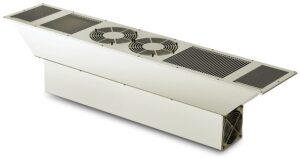
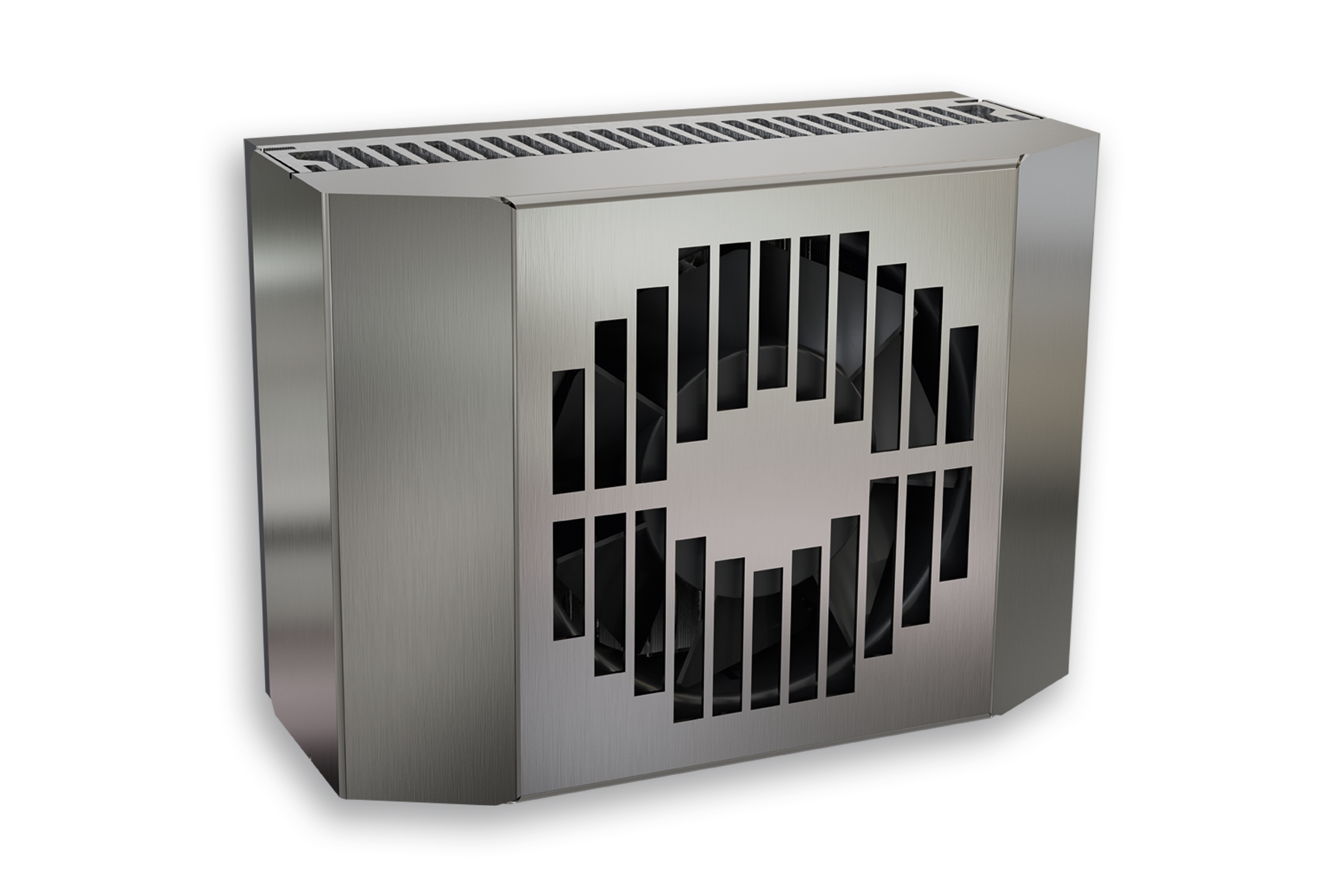
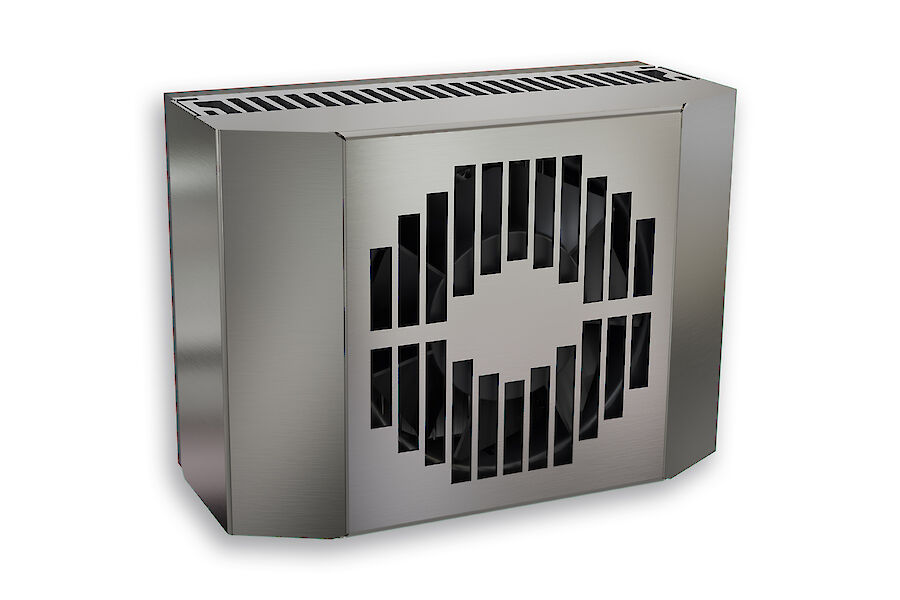
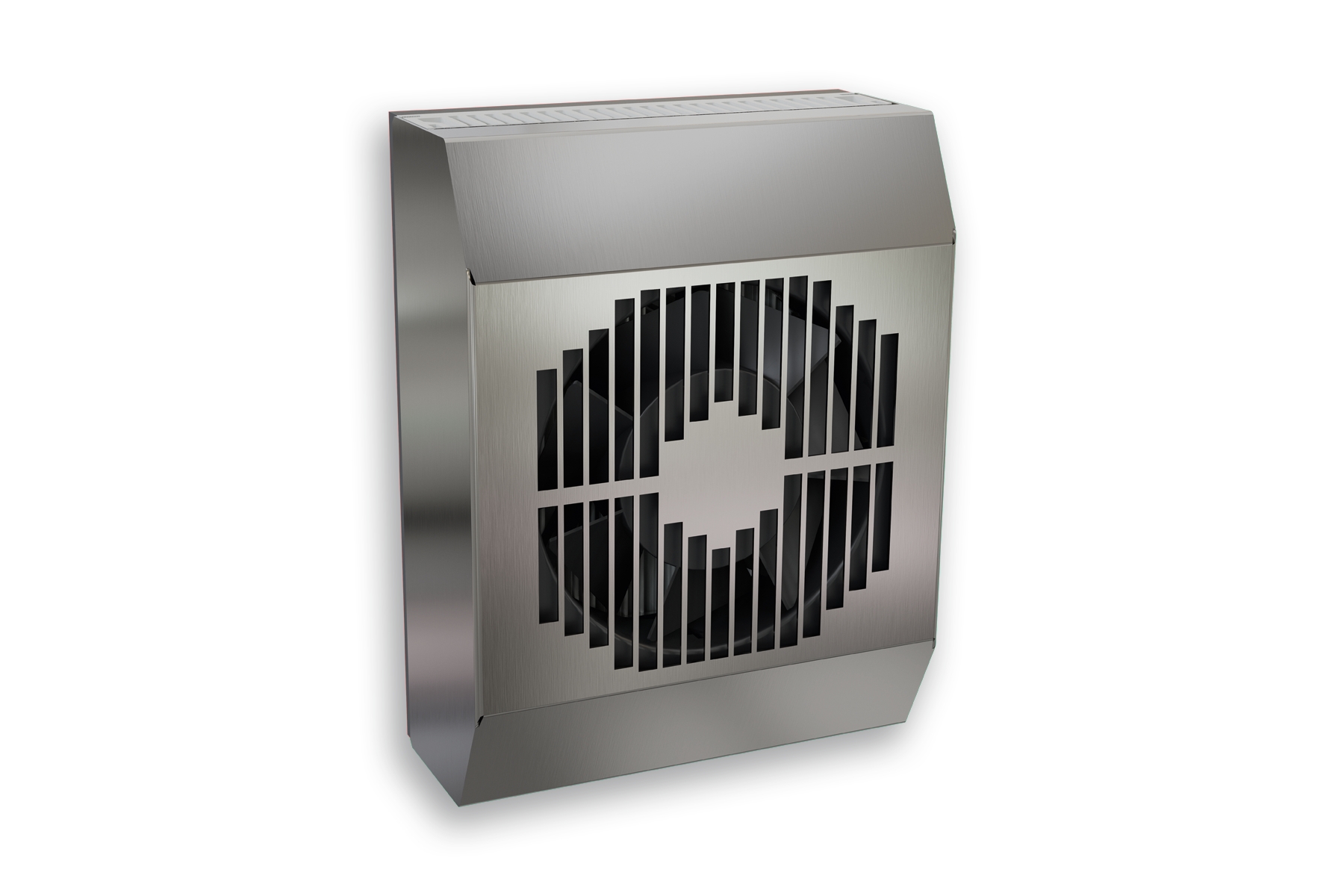
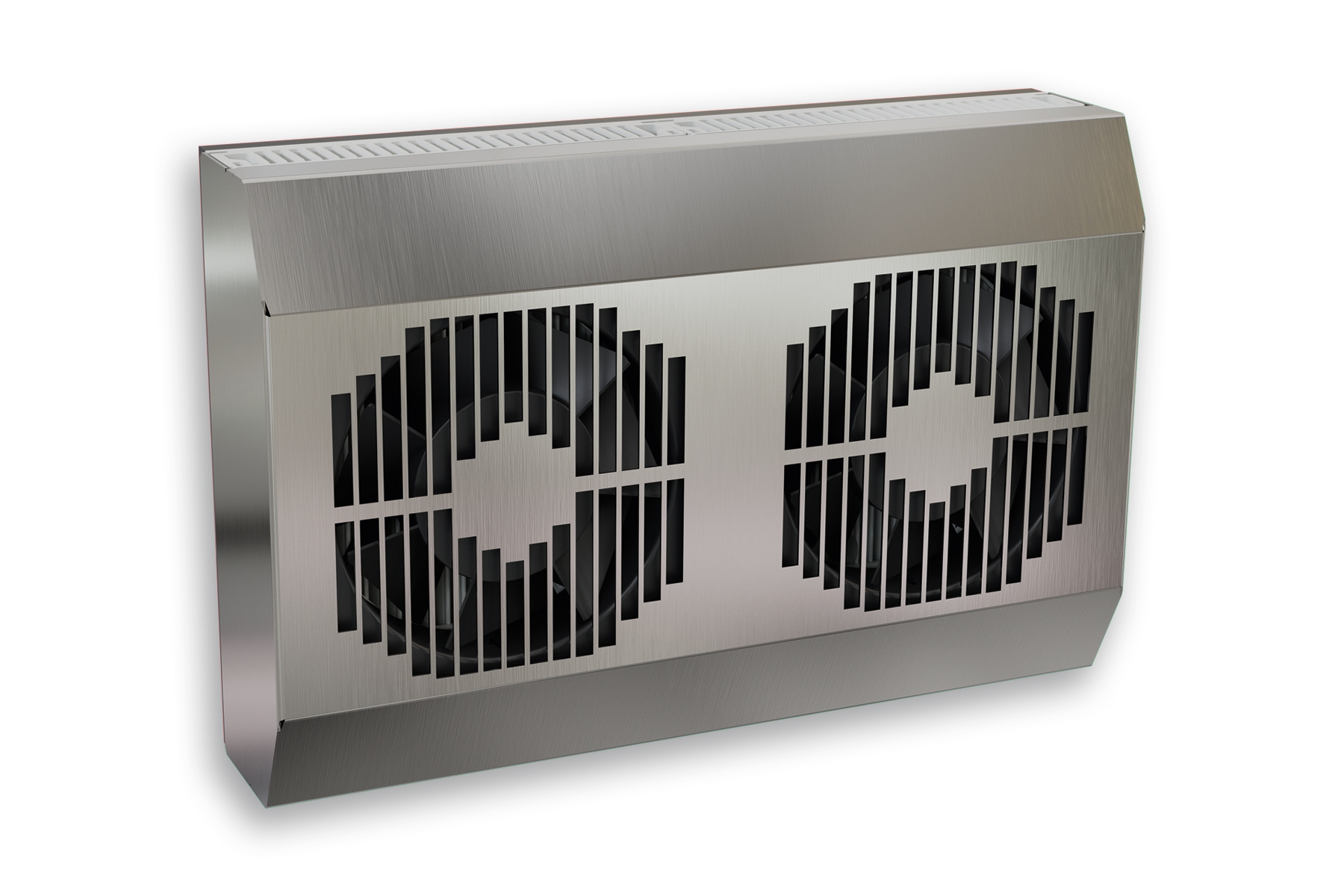
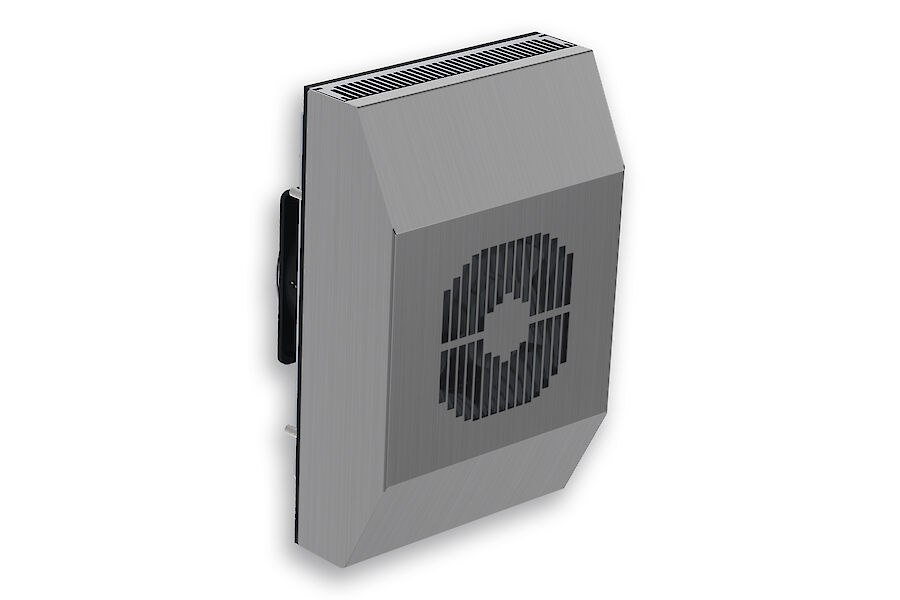
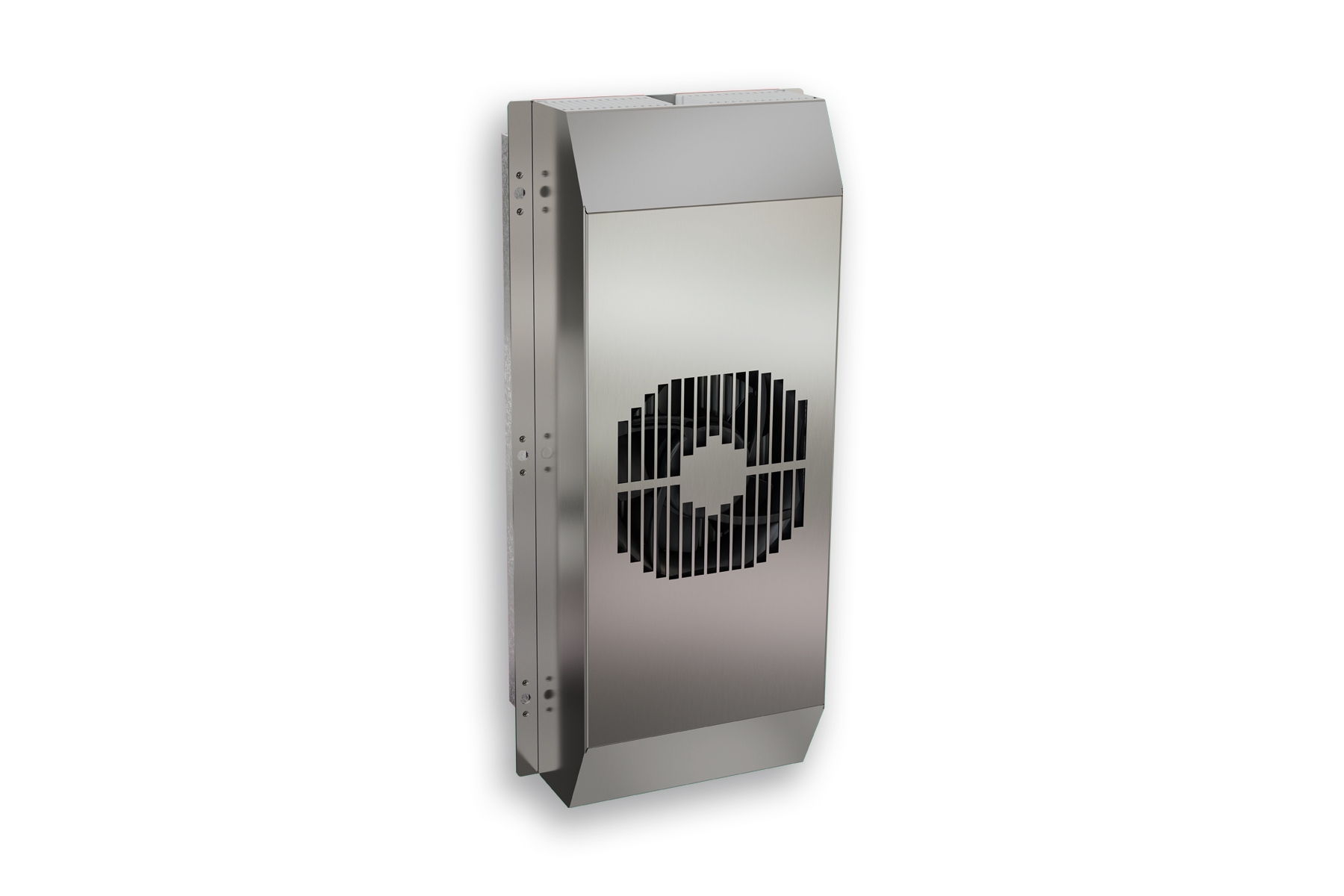
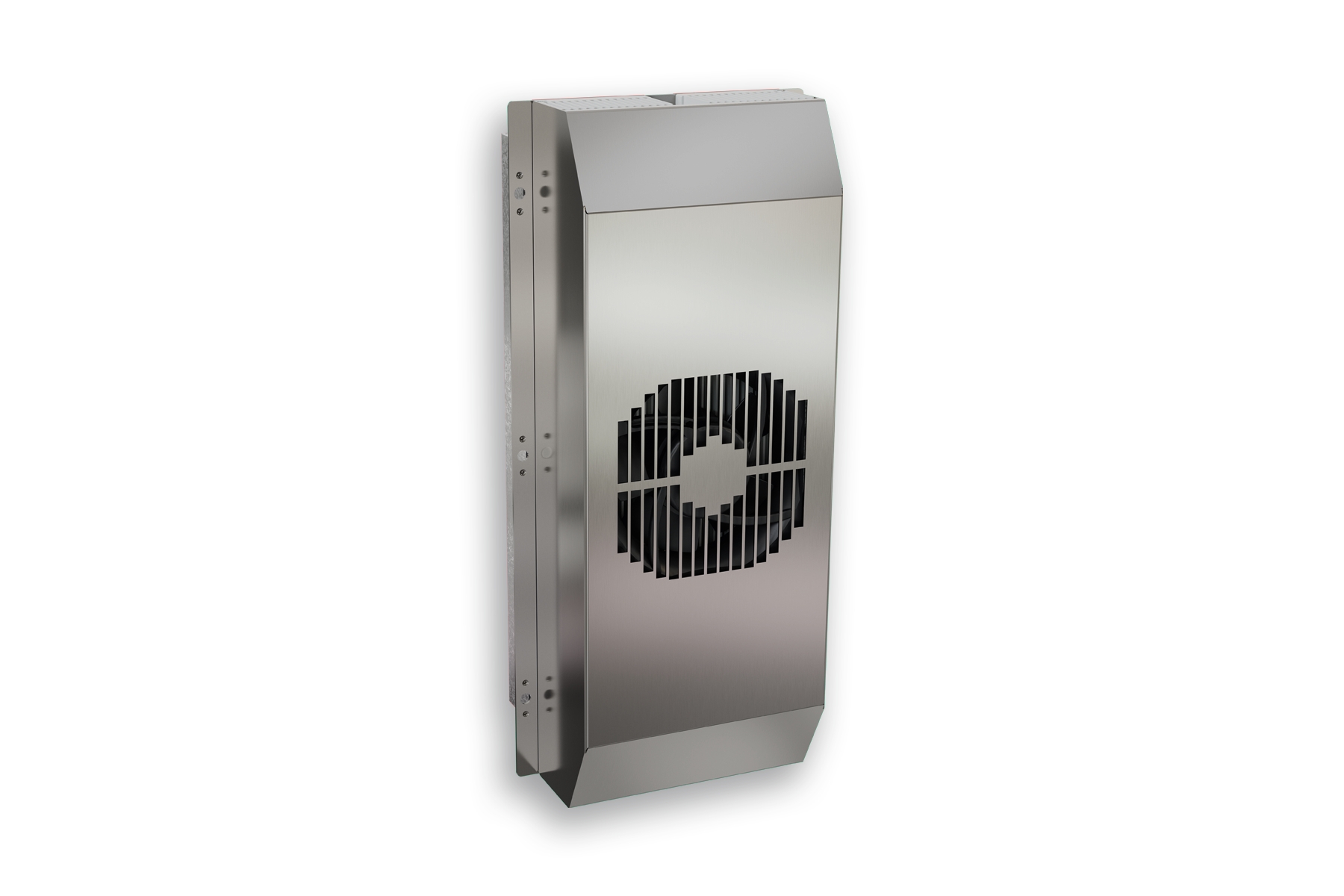
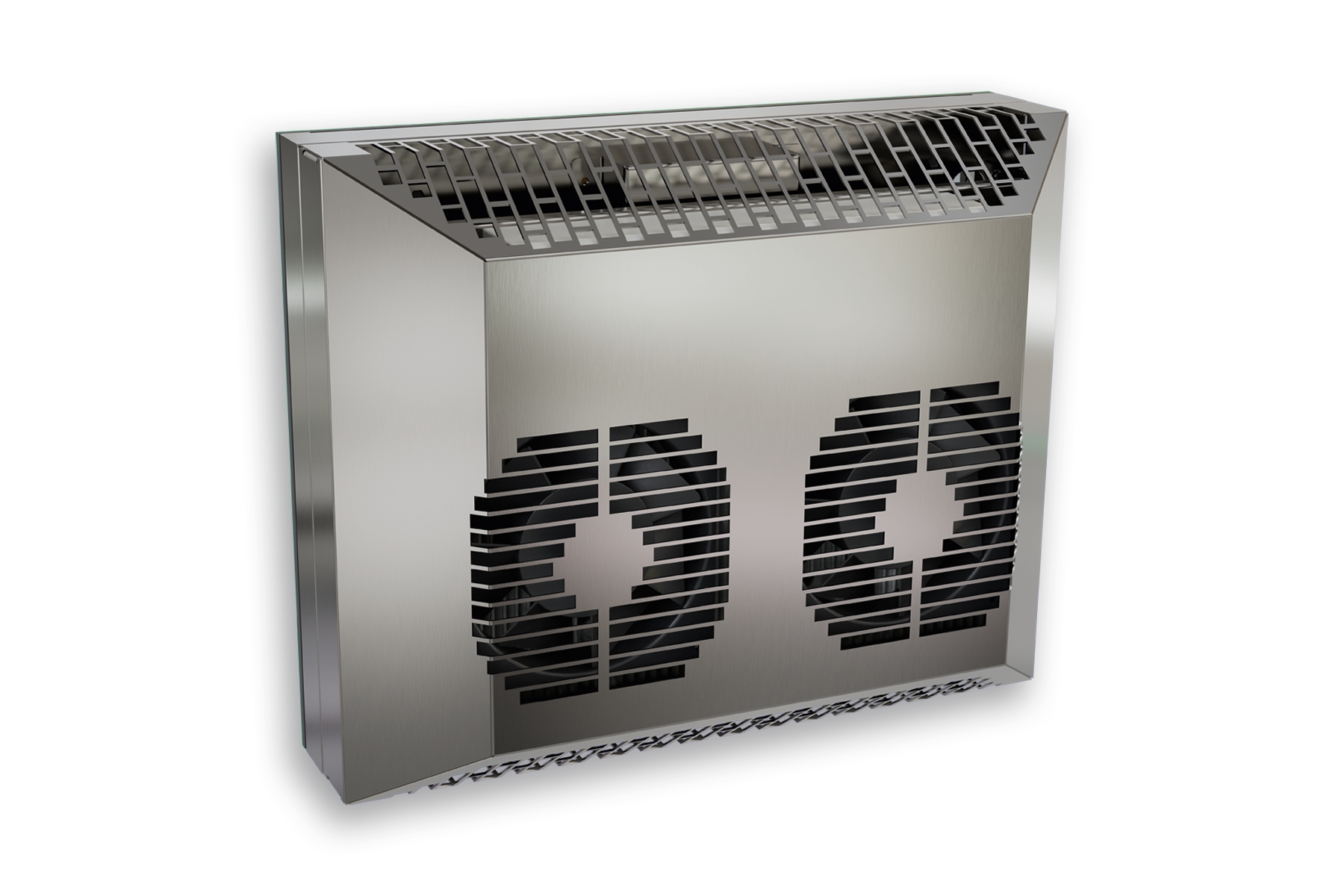
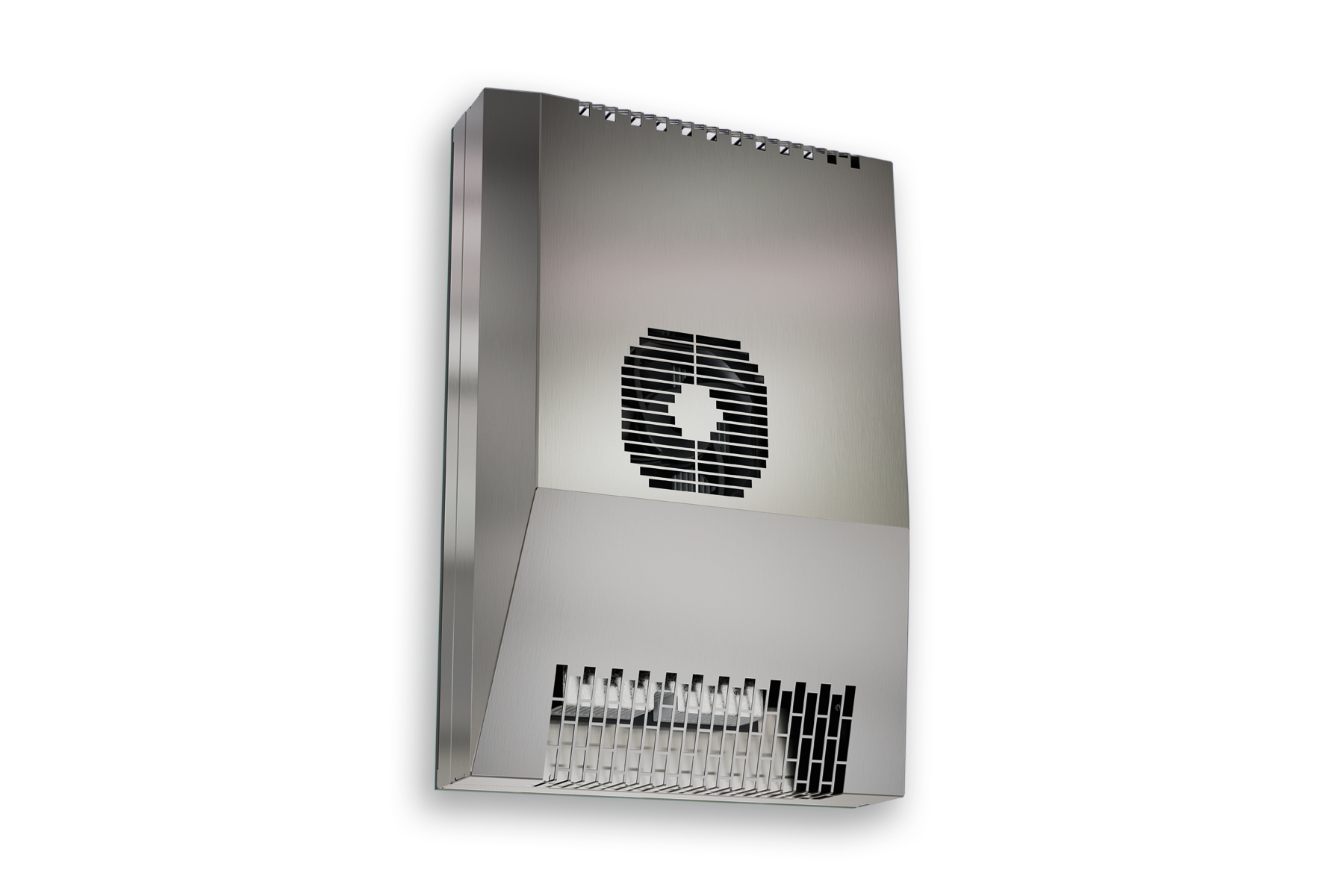
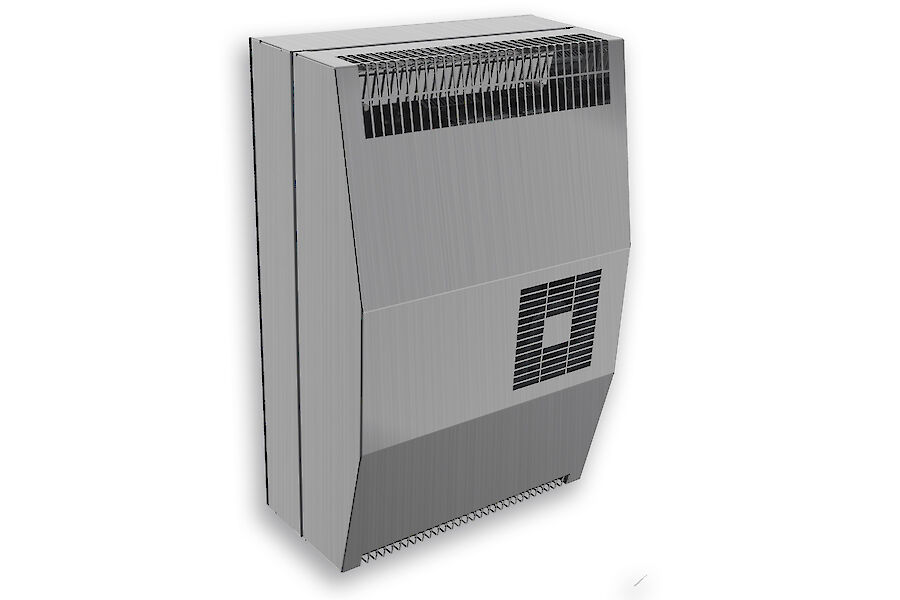
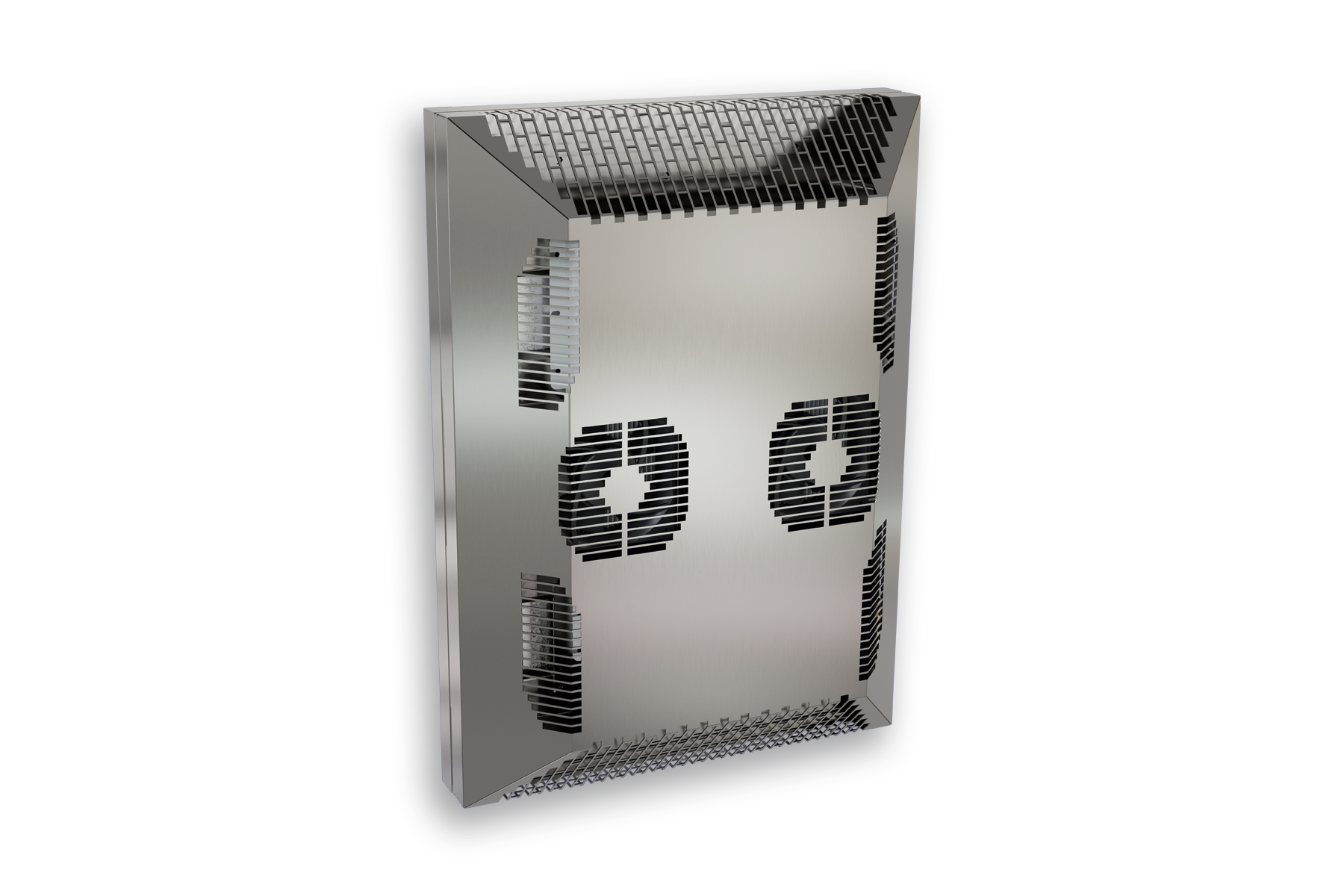
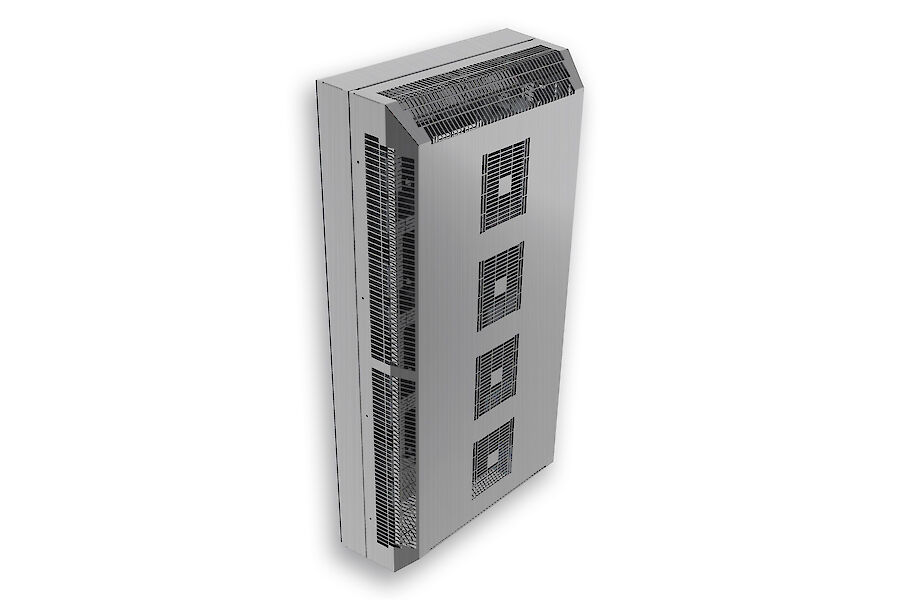
Lm-therm offers a wide range of Peltier cooling devices for cooling control cabinets. The selection ranges from compact models to powerful units for larger enclosures. The most important features include:
- High IP protection (e.g., IP66).
- Vibration-proof for industrial and mobile applications.
- Low-maintenance design for long-term use.
A modern control cabinet cooling device based on Peltier technology reliably protects your electronics from overheating and ensures smooth operation – even under demanding conditions.
Customized solutions for individual requirements
Standard solutions not enough? No problem! Thanks to its many years of experience, Lm-therm also develops customer-specific Peltier cooling solutions. Whether you have special size requirements or specific operating conditions, we will find the right solution for your control cabinet cooling needs.
Contact us for individual advice and discover the advantages of our innovative Peltier cooling units.
Showing all 14 results
Frequently Asked Questions
How do Peltier units work?
Peltier cooling units utilize the Peltier effect: When an electric current flows, heat is absorbed on one side (cold) and released on the other (warm). The waste heat is dissipated to the outside via heat sinks and fans, while the interior of the control cabinet is cooled.
What are the advantages of Peltier cooling units over compressor-based cooling units?
They operate without refrigerant and have fewer moving parts, making them low-maintenance. Additionally, they are often compact and well-suited for small to medium cooling capacities. The units are very robust, which is why they can also be exposed to vibrations and acceleration forces. Contact us—we’d be happy to advise you.
When are Peltier cooling units the right choice?
Specially for smaller control cabinets, limited space, and when moderate cooling capacity is sufficient. Peltier units are also often suitable when a simple, robust solution without refrigerant is desired.
What do I need to consider when designing a Peltier cooling unit?
The heat load in the control cabinet, the maximum ambient temperature, and the desired internal temperature are decisive factors. In addition, heat dissipation on the outside (airflow/installation location) must be ensured.
Can Peltier units also provide heating?
Due to their design, many Peltier systems can also transfer heat into the control cabinet (by reversing the polarity) or be configured as combination units. Whether this is possible depends on the specific model and the control system. – Please feel free to contact us if you have any questions.