Heaters
Control cabinet heating – solutions for efficient heating of control cabinets
Optimal temperature control in control cabinets is essential for protecting sensitive electronics and preventing failures. With a high-quality control cabinet heater from Lm-therm, you get reliable heating solutions for a wide range of requirements – from compact control boxes to large industrial cabinets. The wide range of products in the switch cabinet heating sector sets standards in terms of efficiency, safety, and flexibility.
A wide range of switch cabinet heaters for every need
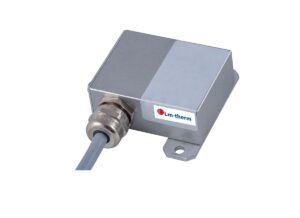
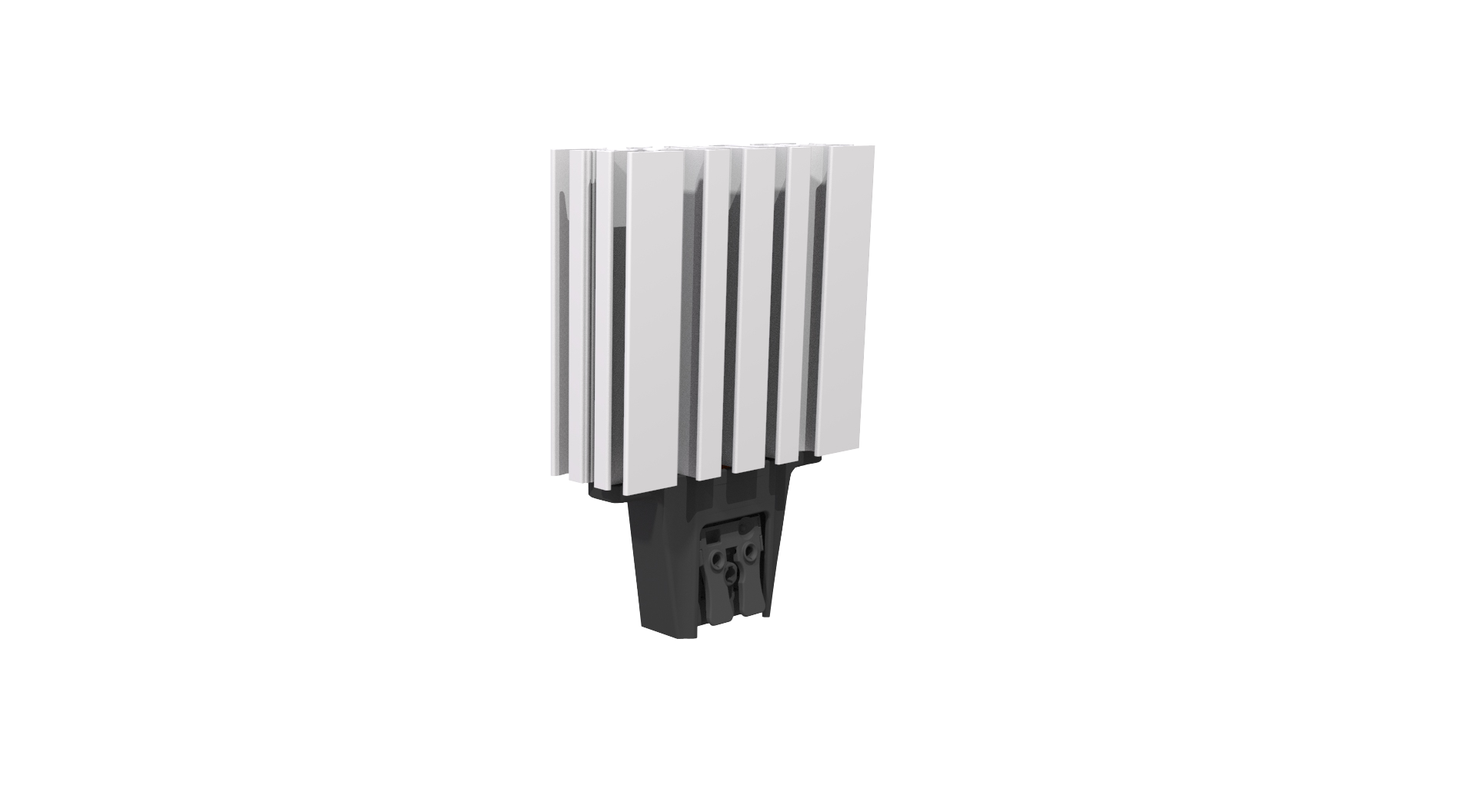
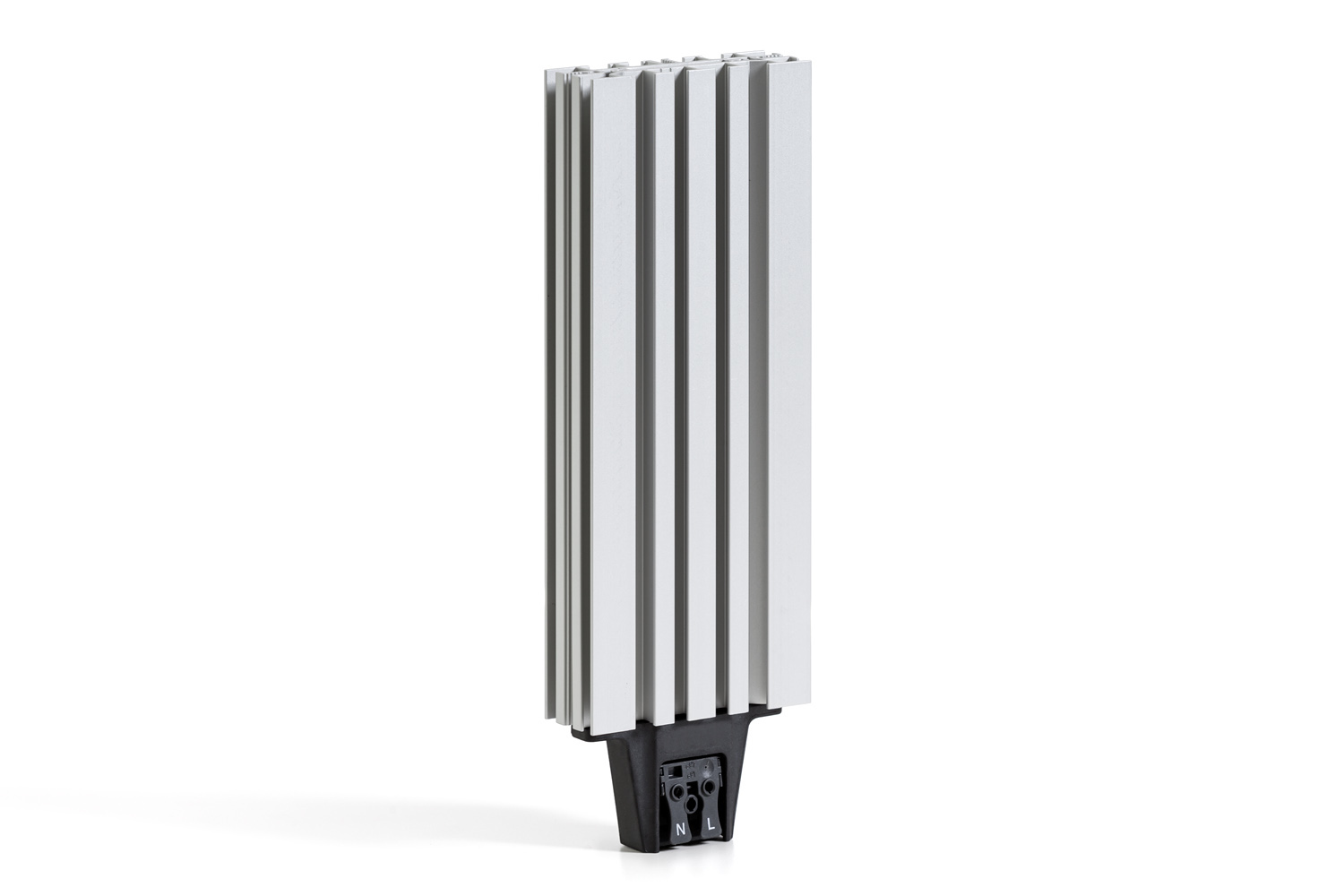
Whether switch cabinet heating for standard applications, powerful 230V switch cabinet heaters for industrial use, or compact switch cabinet heaters for small enclosures: the range offers the right solution for every challenge. The heaters cover a power range from 10W to 1000W and are available in various voltages from 24V to 400V AC/DC. This means you can find the ideal product for both sensitive controls and demanding environments.
Lm-therm control cabinet heaters are characterized by their robust design, easy installation, and high energy efficiency. The heating resistors and PTC heating elements ensure even heat distribution and support reliable temperature control in the control cabinet.
Product variety from Lm-therm
Lm-therm offers numerous heating solutions for control cabinets to protect your systems. This enables us to provide the right solution for countless requirements.
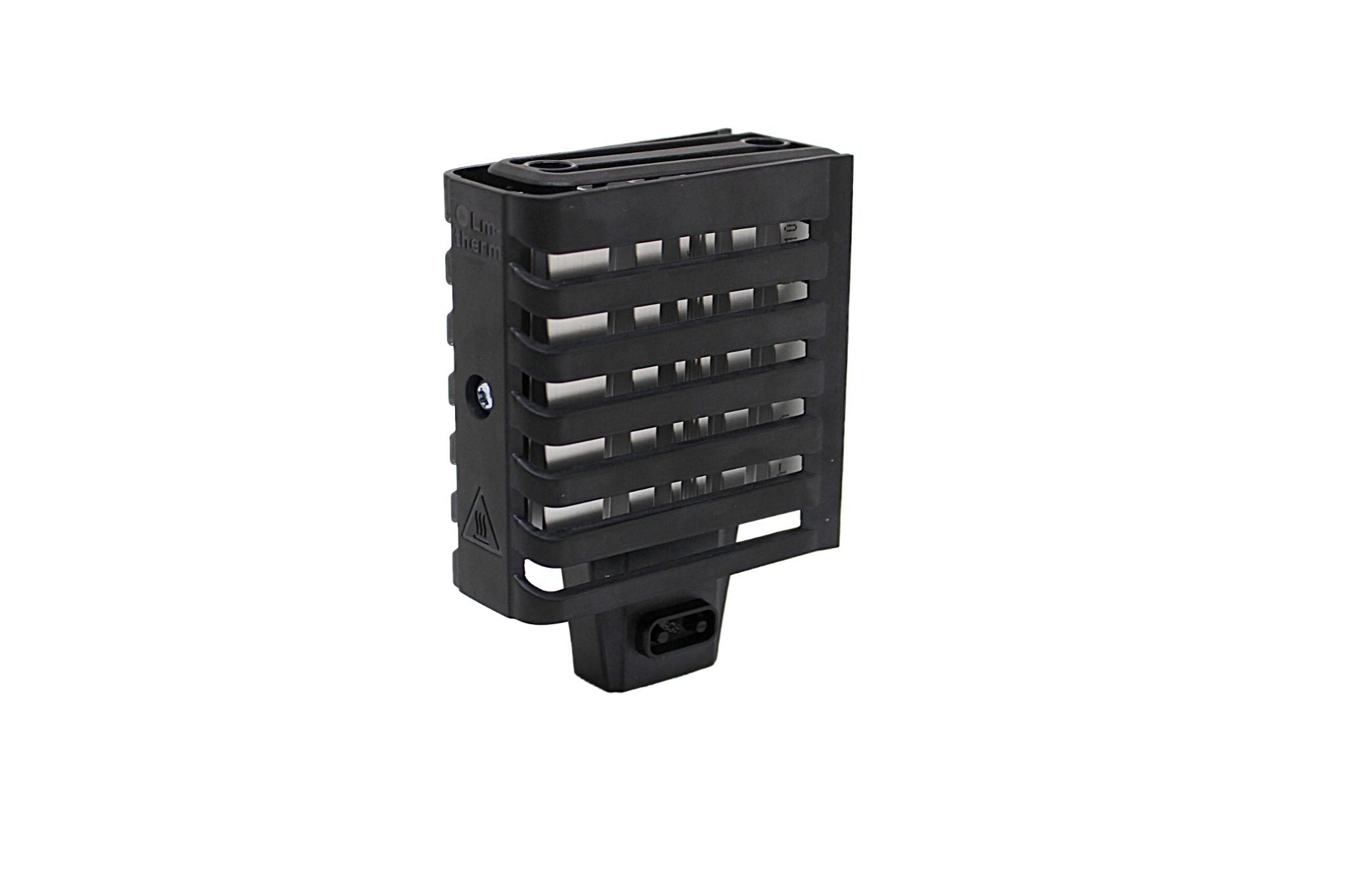
- Control cabinet heating with fan: for particularly fast and even heat distribution in the control cabinet.
- Control cabinet heating: compact solutions with self-regulating heating elements for maximum safety.
- Control cabinet heater with integrated thermostat: proven technology for precise temperature control.
- Control cabinet heater for potentially explosive areas: ATEX heaters for operation in potentially explosive areas of zones 1, 2, 21, and 22.
Advantages of modern control cabinet heaters
A control cabinet heater reliably protects your technology from condensation, corrosion, and temperature fluctuations. The 230V switch cabinet heater in particular is widely used in industry because it can be easily integrated into existing infrastructures. Thanks to the wide range of voltages and outputs available – from small switch cabinet heaters for compact control boxes to powerful 230V switch cabinet heaters with up to 1000W – you will find the right solution for every application.
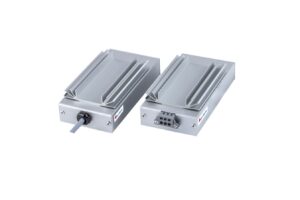
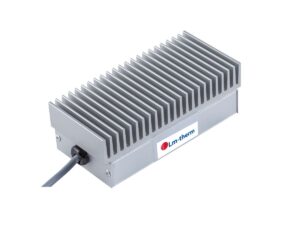
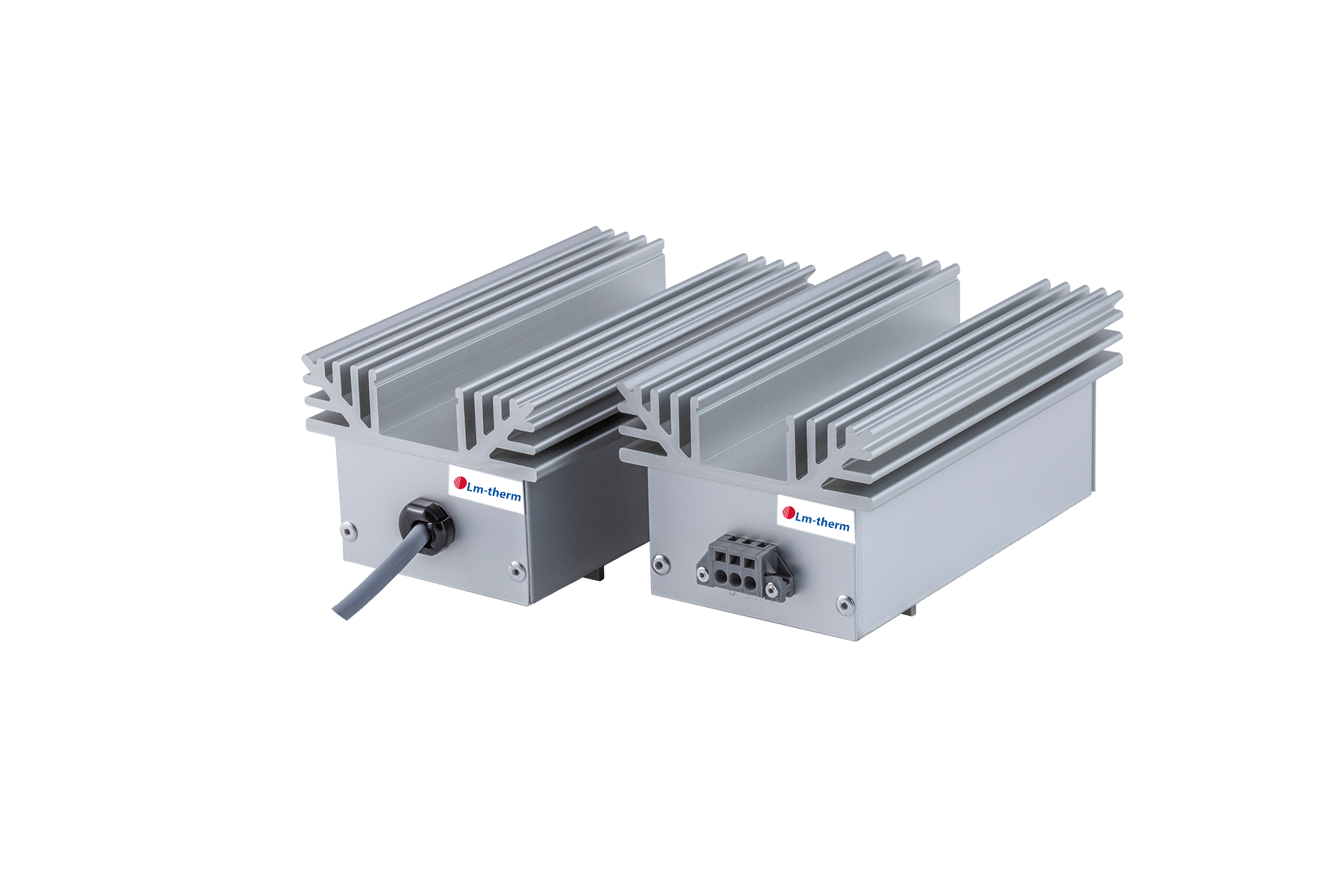
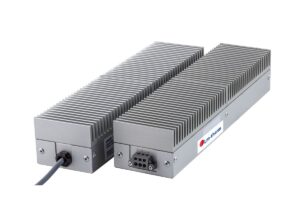
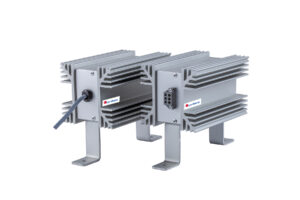
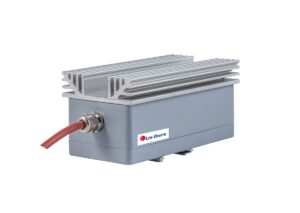
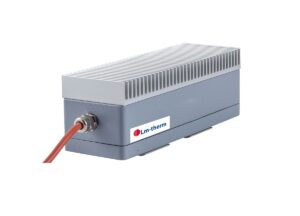
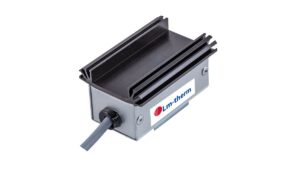
Control cabinet heaters from Lm-therm impress with their durability, fast delivery times, and attractive price-performance ratio. Models such as the Maxi, Super-Maxi, or Super-Mini series of control cabinet heaters offer optimal temperature control for every enclosure size and every area of application.
Control cabinet heating – your partner for safety and efficiency
With control cabinet heating from Lm-therm, you are investing in the safety and reliability of your systems. Whether you need 230V control cabinet heating, compact control cabinet heating, or special solutions: discover our diverse range and find the ideal control cabinet heating for your application.
And if standard solutions don’t work, we will find a customized solution for your application. No hurdle is too high for us, because we love challenges – especially in the technical field. See for yourself and work with us to develop your ideal switch cabinet heater.
Showing 1–12 of 32 results
Frequently Asked Questions
Why do I need a control cabinet heater?
A control cabinet heater protects electronic and electromechanical components from damage caused by cold, moisture, and condensation, thereby contributing to the system’s functional and operational reliability.
What kind of damage can cold, heat, and moisture cause in a control cabinet?
Extreme temperatures and condensing humidity can lead to corrosion, short circuits, leakage currents, malfunctions, and a significantly shortened service life of the components.
What is meant by thermal management in a control cabinet?
Thermal management encompasses all measures for heating, cooling, and dehumidification to maintain the permissible operating temperature and humidity in the control cabinet and prevent failures in the long term.
Why is thermal management becoming increasingly important?
As component density increases—for example, as part of Industry 4.0—heat dissipation rises significantly; even a temperature 10 K above the permissible operating temperature can cut the service life of electronic components in half.
How do I choose the right heating capacity for my control cabinet?
The required heating capacity depends on the control cabinet size, the power dissipation of the installed devices, the desired internal temperature, and environmental influences; for larger cabinets, multiple heating units with separate controls are often used.
What heating elements are used?
Lm-therm uses both classic heating resistors as well as PTC heating elements and PTC cartridges.
Where is the optimal installation position for a control cabinet heater?
For good heat distribution, the heater should be mounted in the lower third of the enclosure so that the air can rise through natural convection and heat the entire cabinet.
How are the heaters mounted in the control cabinet?
Depending on the device type, mounting is done either by snapping onto a DIN rail or by direct screw fastening; electrical connections are made via a connection cable or terminal block.
What should be considered regarding air circulation in the control cabinet?
Natural convection must not be impeded by excessive equipment density; recirculation fans or forced-air heaters can be used to achieve forced convection with better heat distribution.
Is a single heater sufficient for large control cabinets?
In large control cabinets, it is often advisable to use multiple heaters or forced-air heaters with separate temperature control to avoid hot spots and ensure uniform temperature distribution.
Do I need a separate controller for the heater?
Heaters with an integrated thermostat typically do not require a separate controller; however, the size of the control cabinet, component density, and environmental conditions may make the use of additional controllers advisable. For PTC heaters, an upstream controller is generally recommended.
What temperature settings are available for Lm-therm heaters?
In addition to the standard setting range of <25°C On / 60°C Off, typical presets include, for example, a tropical version that turns on below 35°C and off at 70°C, a high-tropical version with 50/80°C, and frost protection with 10/60°C.
What protection ratings are available?
For demanding environments, devices with a high protection rating—e.g., IP65 for certain control cabinet heaters—are available to effectively keep out dust and moisture.
How do heating and cooling complement each other in a control cabinet?
Heaters protect against low temperatures and condensation, while cooling units dissipate waste heat; together, they ensure that the internal temperature remains within the permissible range and that components operate reliably.
How complicated is it to install a control cabinet heater?
Most units are designed for quick installation on a DIN rail or with screw fasteners; connection is typically made via terminals or pre-assembled connection cables.
Does Lm-therm offer support in the design of heating and cooling systems?
Lm-therm provides a calculation tool for heating and cooling capacities and offers technical consulting to review the calculated design and propose a suitable solution.