Ventilation
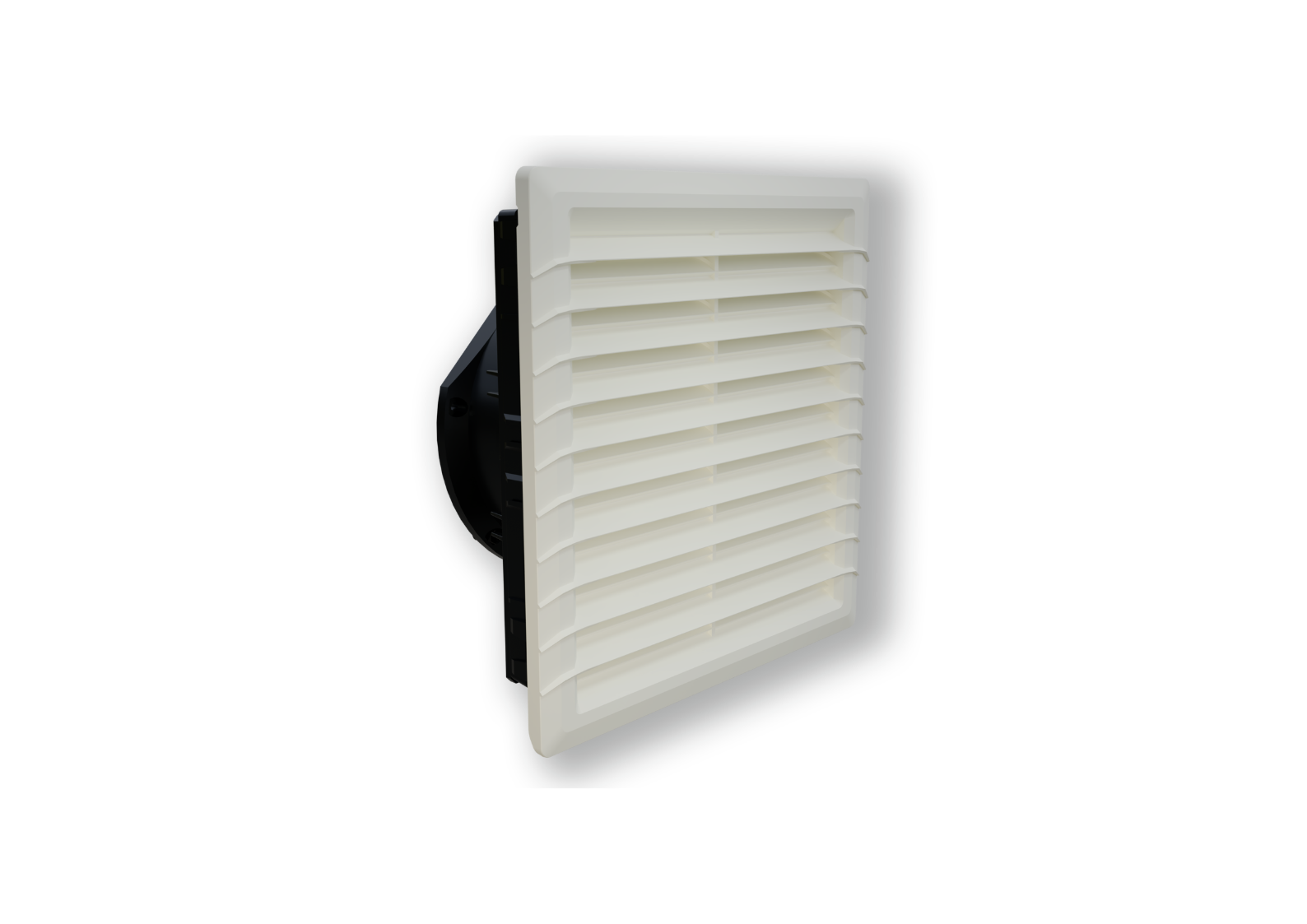
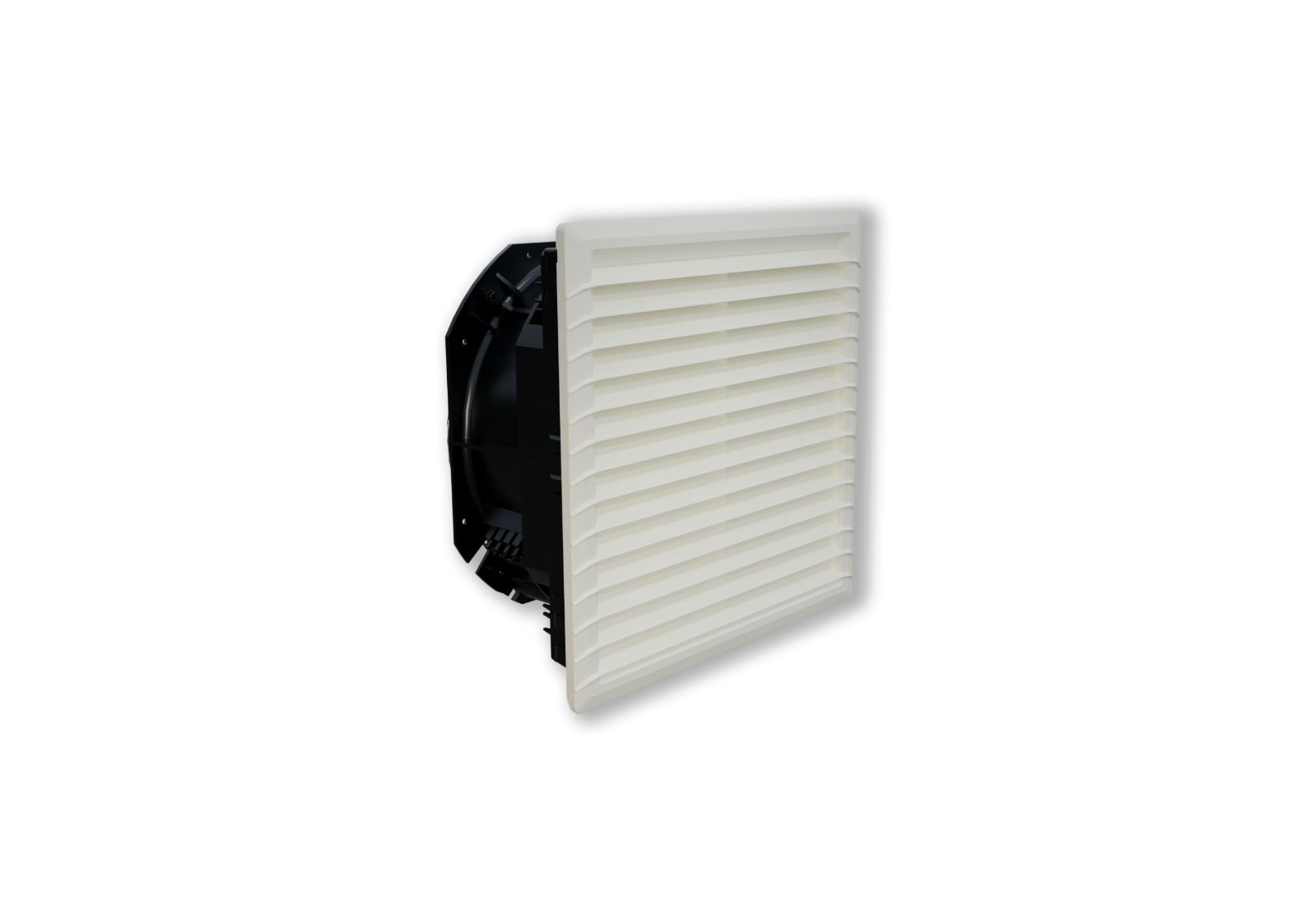
Filter fans – effective control cabinet fans for every application
Efficient control cabinet ventilation is crucial for extending the service life of electrical components and ensuring the safe, trouble-free operation of your systems. With a suitable control cabinet fan, you can prevent overheating, reduce downtime, and ensure consistent temperature management in the switch cabinet.
Whether for industrial controls, machines, or sensitive electronics, our filter fans and outlet filters ensure reliable cooling and provide lasting protection for your technology.
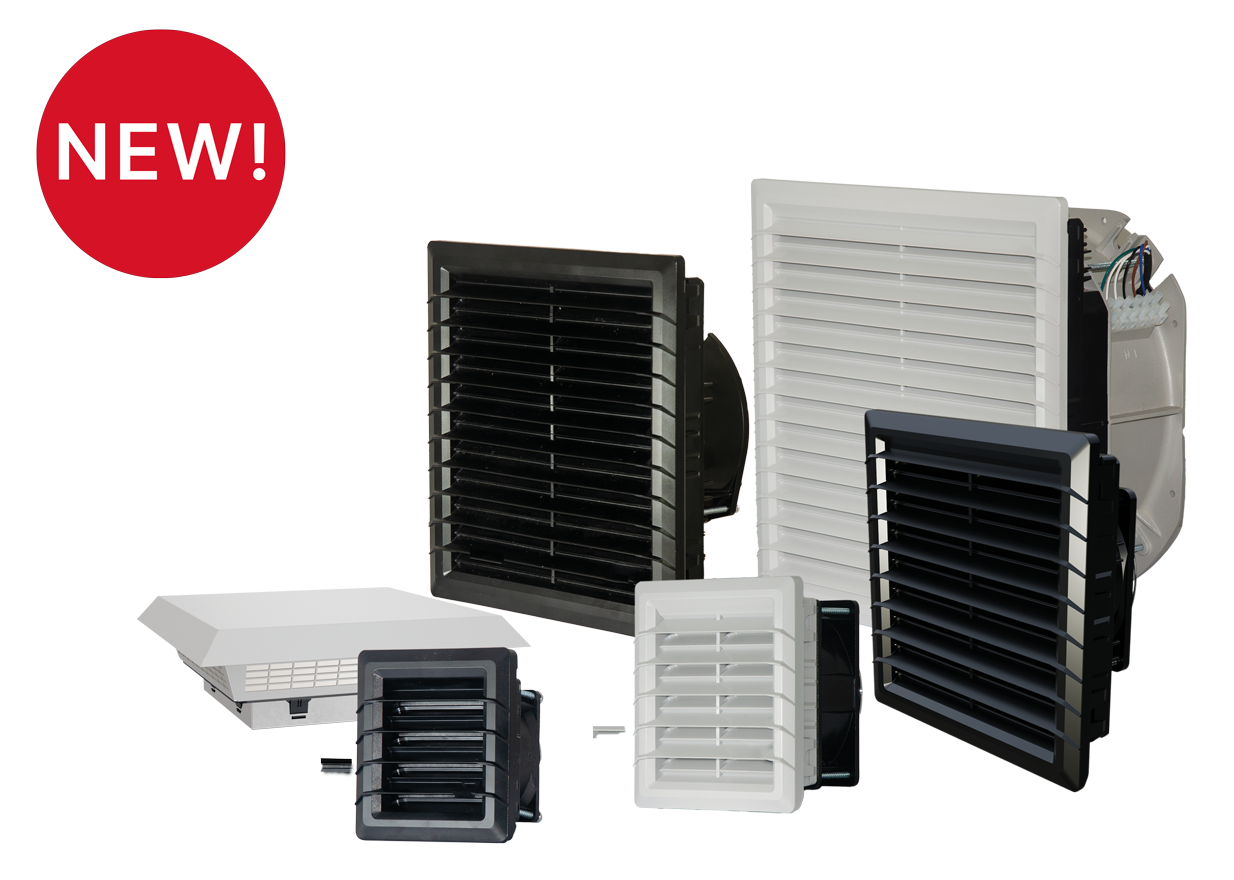
Discover our new products!

Why a control cabinet fan is essential
The operation of electronic components generates heat in every control cabinet, which must be reliably dissipated. Without adequate ventilation, the internal temperature rises quickly – even a few degrees can damage components or drastically shorten their service life.
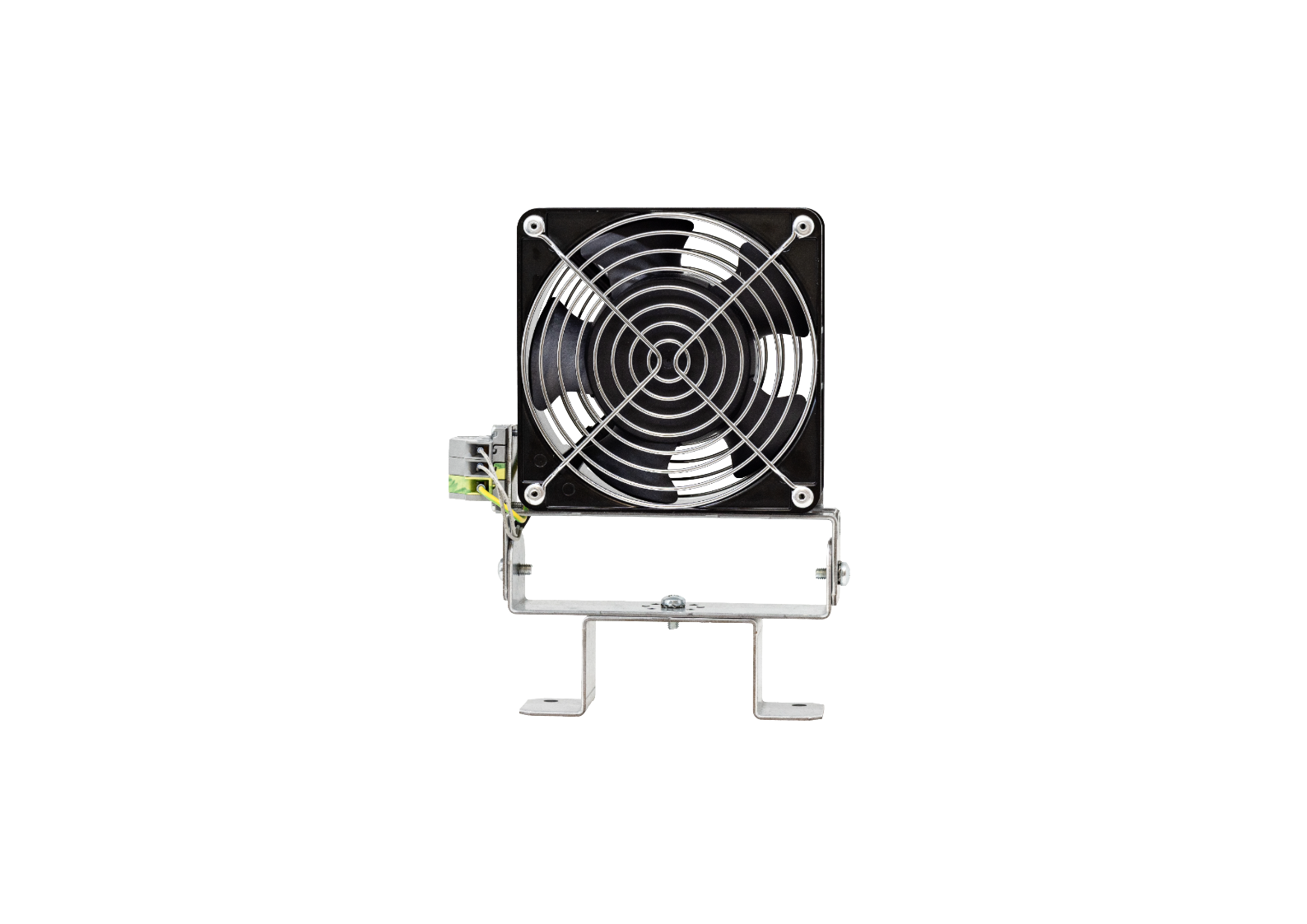
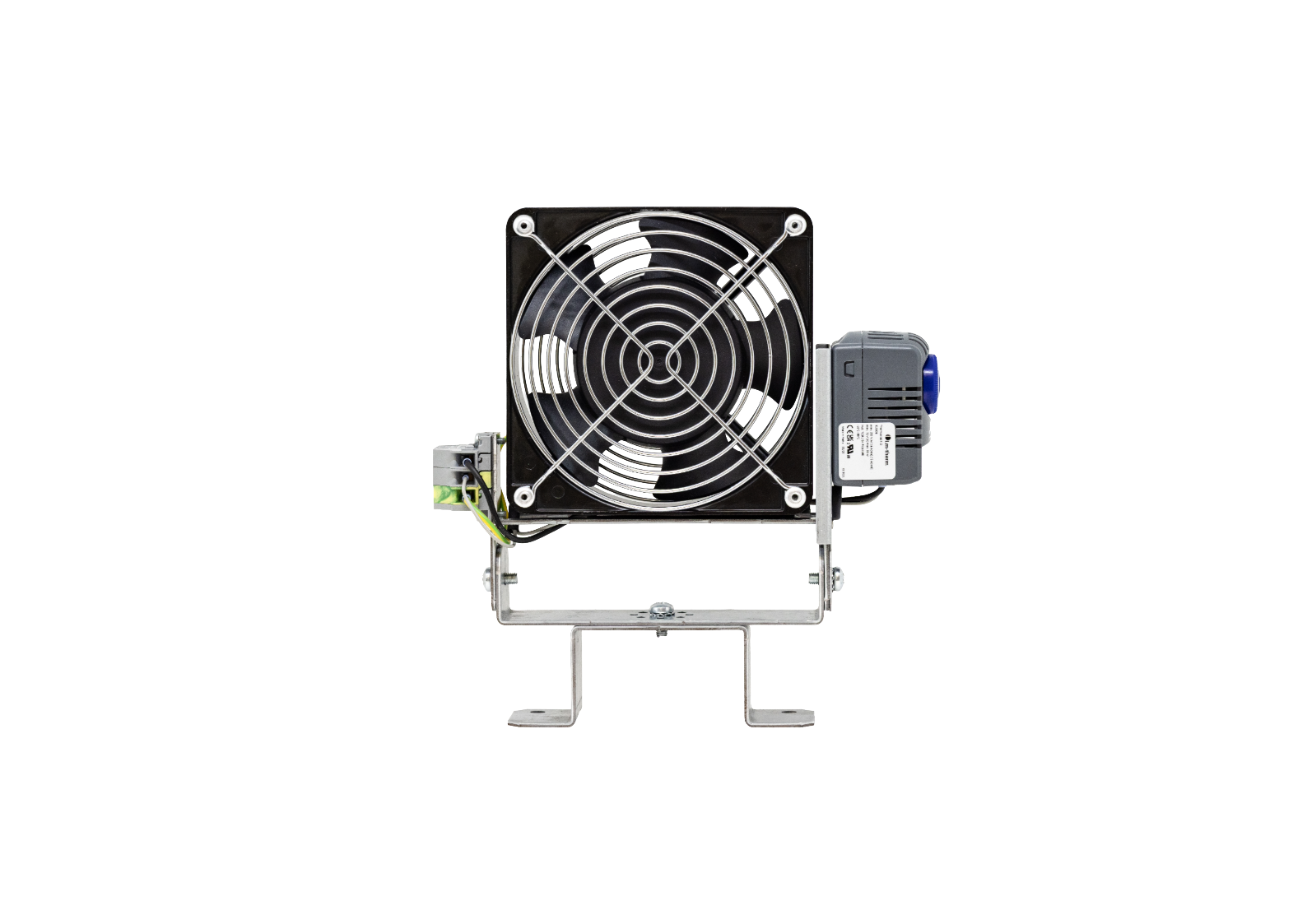
An internal control cabinet fan ensures even air circulation and supports the heat dissipation of sensitive components. A small control cabinet fan is particularly recommended for compact enclosures, as it ensures effective cooling even in confined spaces.
For easy integration into existing systems, we offer models with a 230 V power supply or even with a wide voltage range. In short: a high-quality control cabinet fan protects your electronics, prevents costly downtime, and ensures maximum operational reliability.
Filter fan – cooling with protective function
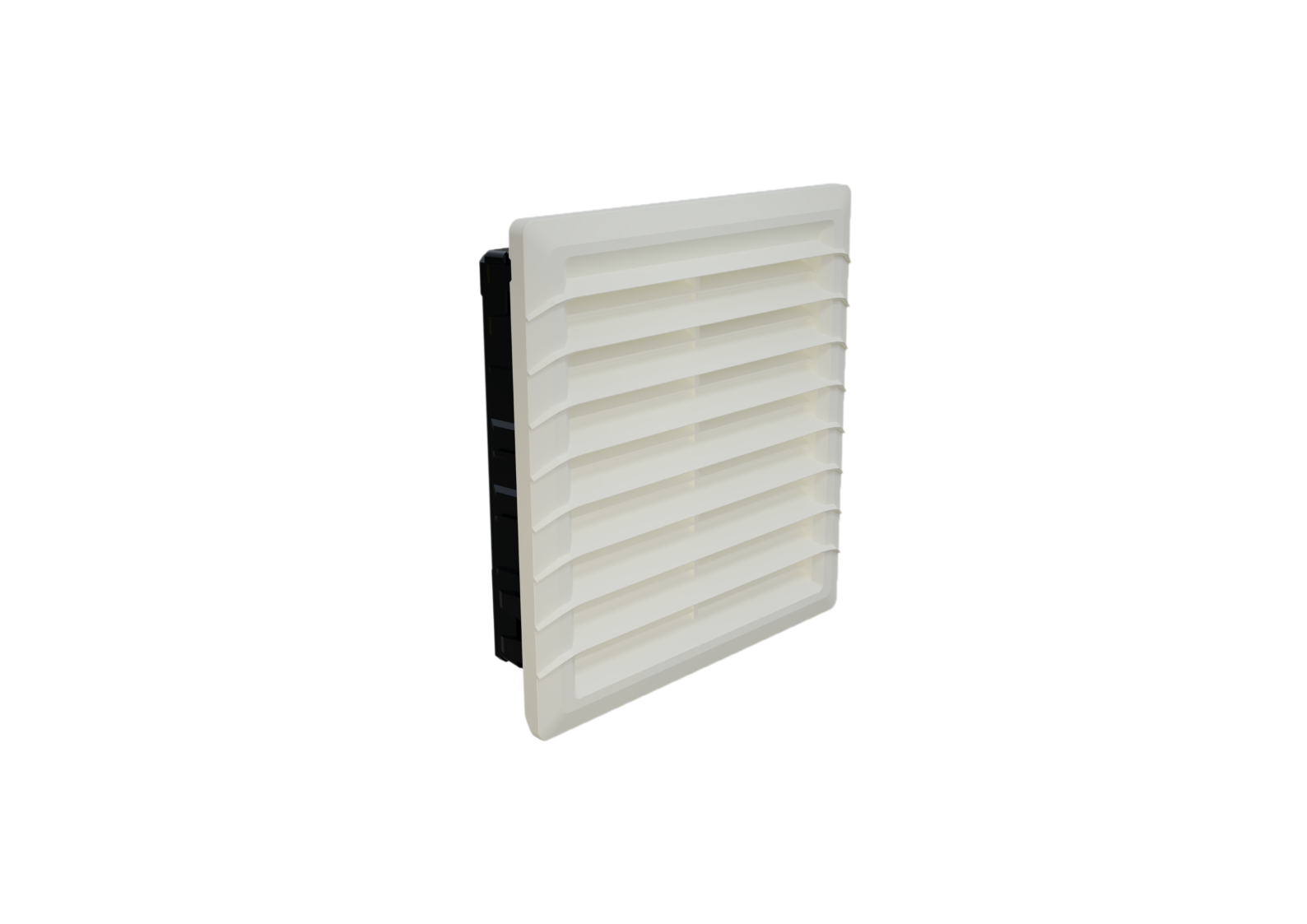
Filter fans for control cabinets combine active air circulation with effective dust protection. This is essential in industrial environments in particular to protect electronics from dirt particles and ensure a clean air supply.
A powerful fan (filter fan for control cabinets) ensures that only filtered fresh air enters the housing – for permanently reliable and clean electronics. Thanks to simple installation and quick filter replacement, our models are particularly maintenance-friendly and flexible in use.
How to find the right control cabinet fan
When selecting the optimal fan, you should consider the following points:
- Switch size: A small control cabinet fan is suitable for compact enclosures, while larger control cabinets require more powerful models.
- Power supply: The 230 V control cabinet fan is easy to integrate and is particularly widely used.
- Ambient conditions: In dusty areas, a filter fan with high filter performance is recommended for the control cabinet.
- An internal cabinet fan is ideal for targeted air circulation inside the cabinet.
With a customized ventilation system for the control cabinet, you can ensure the long-term functionality of your systems and avoid costly downtime.
Your advantage with our control cabinet fans
- optimal air performance and energy efficient
- Versions with wide voltage range
- Versions for Indoor and Outdoor
- IP 54/55, Type 12, 3R
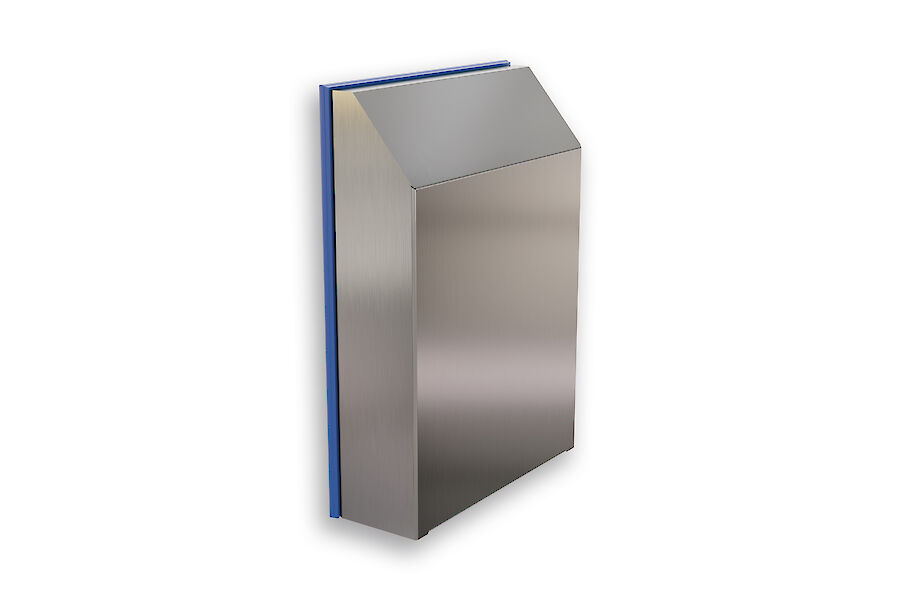
- mit water jet hoods IP 56, Type 4/4X UL certified (optionally with food-safe seal)
- tool-free installation and filter replacement
Our control cabinet fans and filter fans combine powerful cooling with easy handling. They ensure constant temperatures, reduce maintenance costs, and extend the service life of your systems.
Showing 1–12 of 16 results
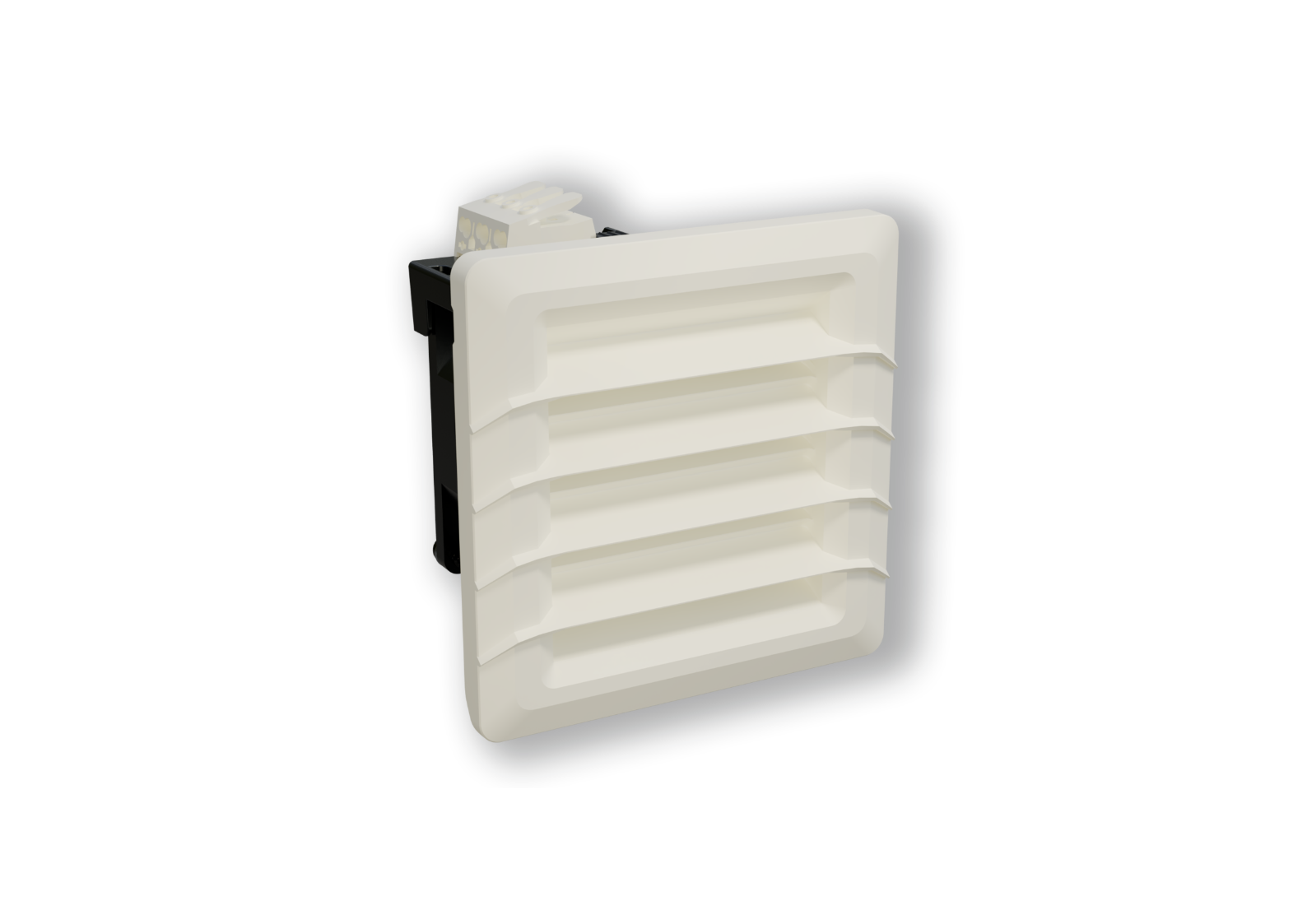
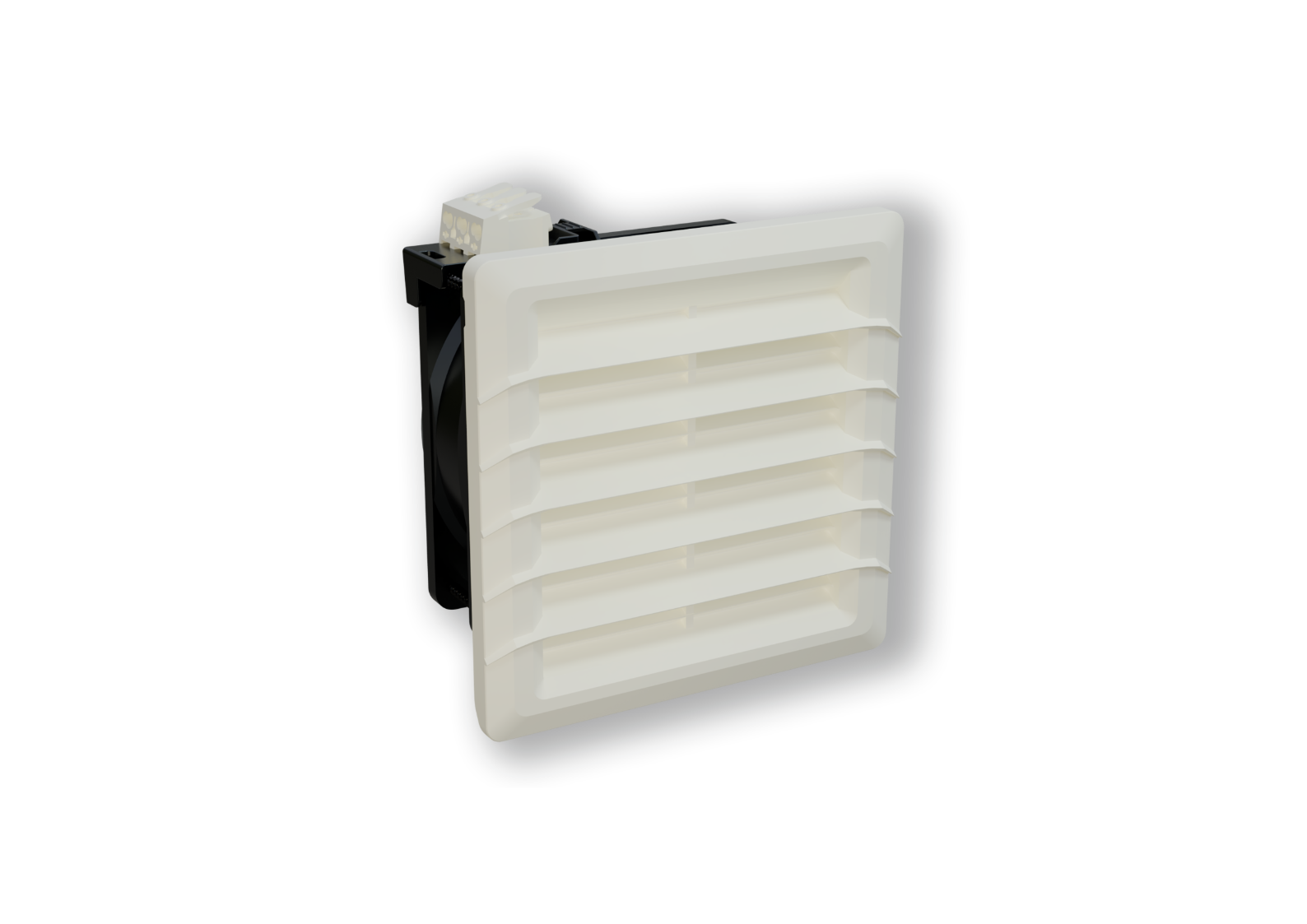
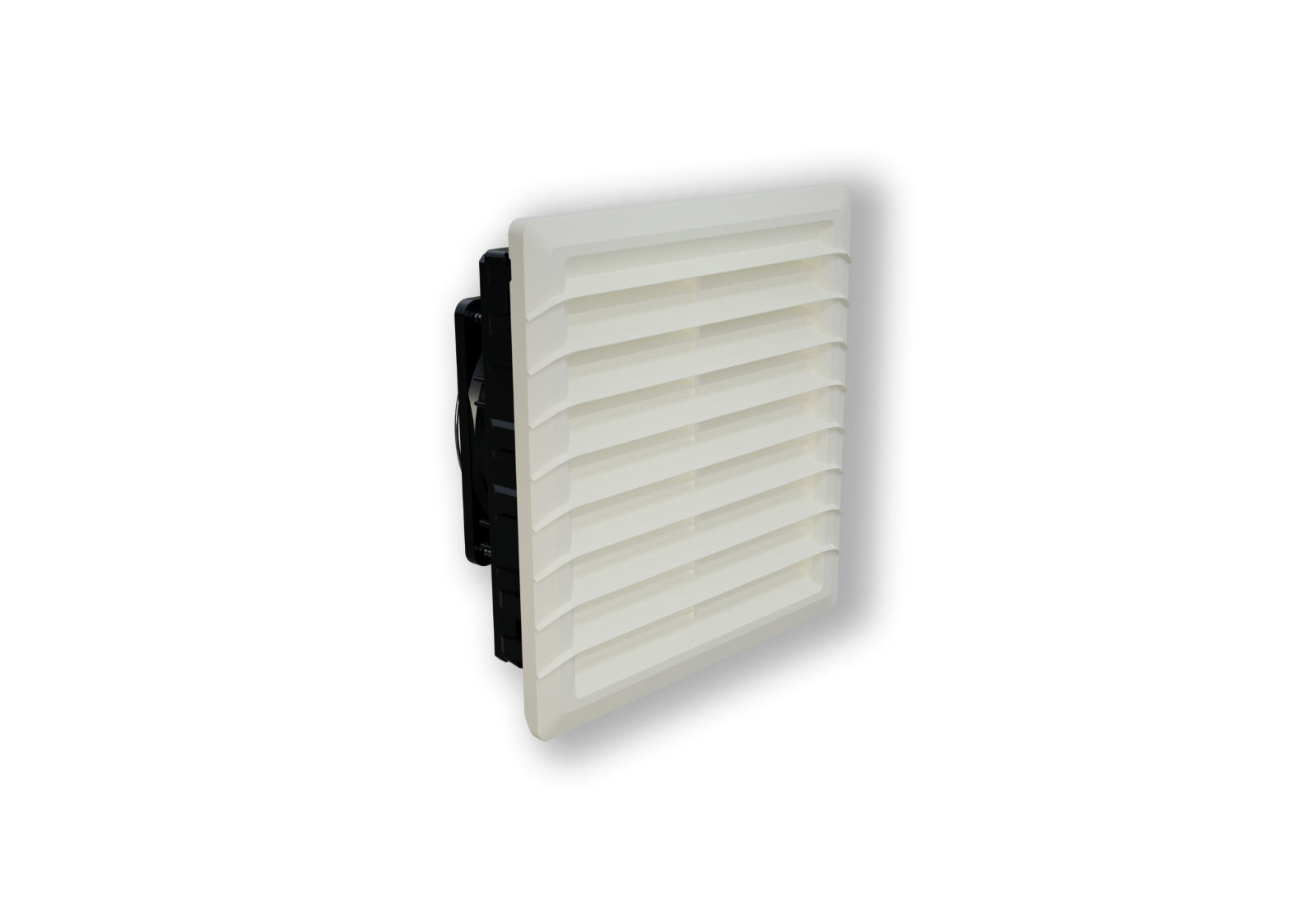
Frequently Asked Questions
What is a control cabinet fan, and what is it used for?
A filter fan blows filtered fresh air from outside into the control cabinet. It is usually mounted on the bottom or front of the cabinet, and its filter prevents dust and dirt from entering. An exhaust fan (also known as an exhaust filter) vents the heated air from the cabinet to the outside and is typically located in the upper section, since warm air rises. Together, these two components form a complete control cabinet ventilation system.
When is control cabinet ventilation sufficient, and when do I need a cooling unit?
Control cabinet ventilation with a filter fan is sufficient if the ambient temperature is significantly lower than the desired internal temperature of the control cabinet. As soon as the outside temperature exceeds the inside temperature—for example, in midsummer or in hot production halls—ventilation alone is no longer sufficient, and an active cooling unit is required.
What voltages are available for control cabinet fans?
Lm-therm control cabinet fans are available in various voltage options, including the standard 230 V AC (alternating current for standard mains) and 24 V DC (direct current for control circuits). In addition to these, there are also fans with a wide voltage range of 100–230 V AC.
How do I choose the right filter fan for my control cabinet?
The key factors for selection are: the required airflow (m³/h) based on the power dissipation of the components, the mounting size (to fit the cutout opening in the cabinet), the operating voltage, and the desired protection rating. As a rule of thumb: The higher the power dissipation of the installed devices, the higher the airflow rate of the control cabinet filter fan must be.
What is an exhaust filter, and is it absolutely necessary?
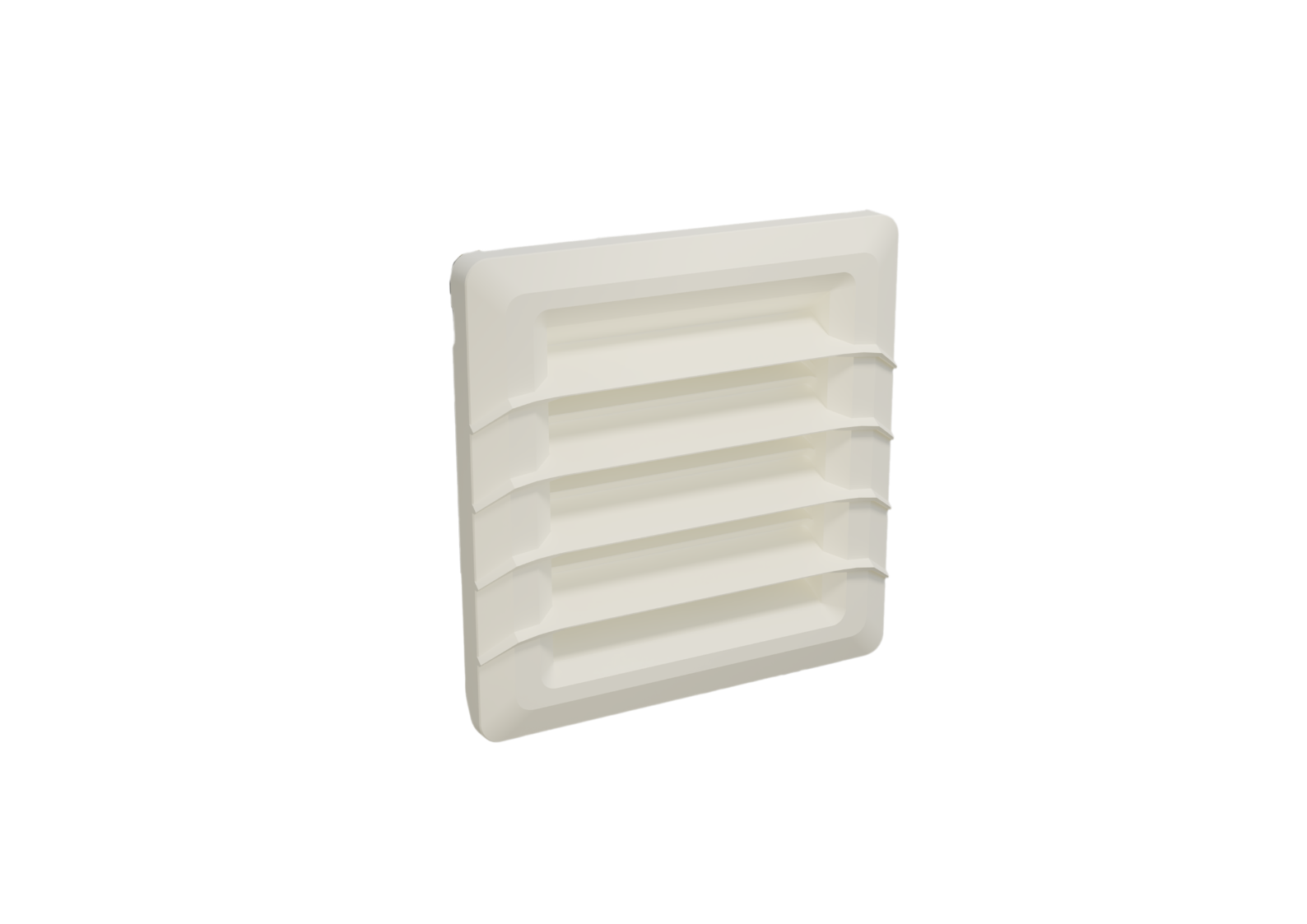
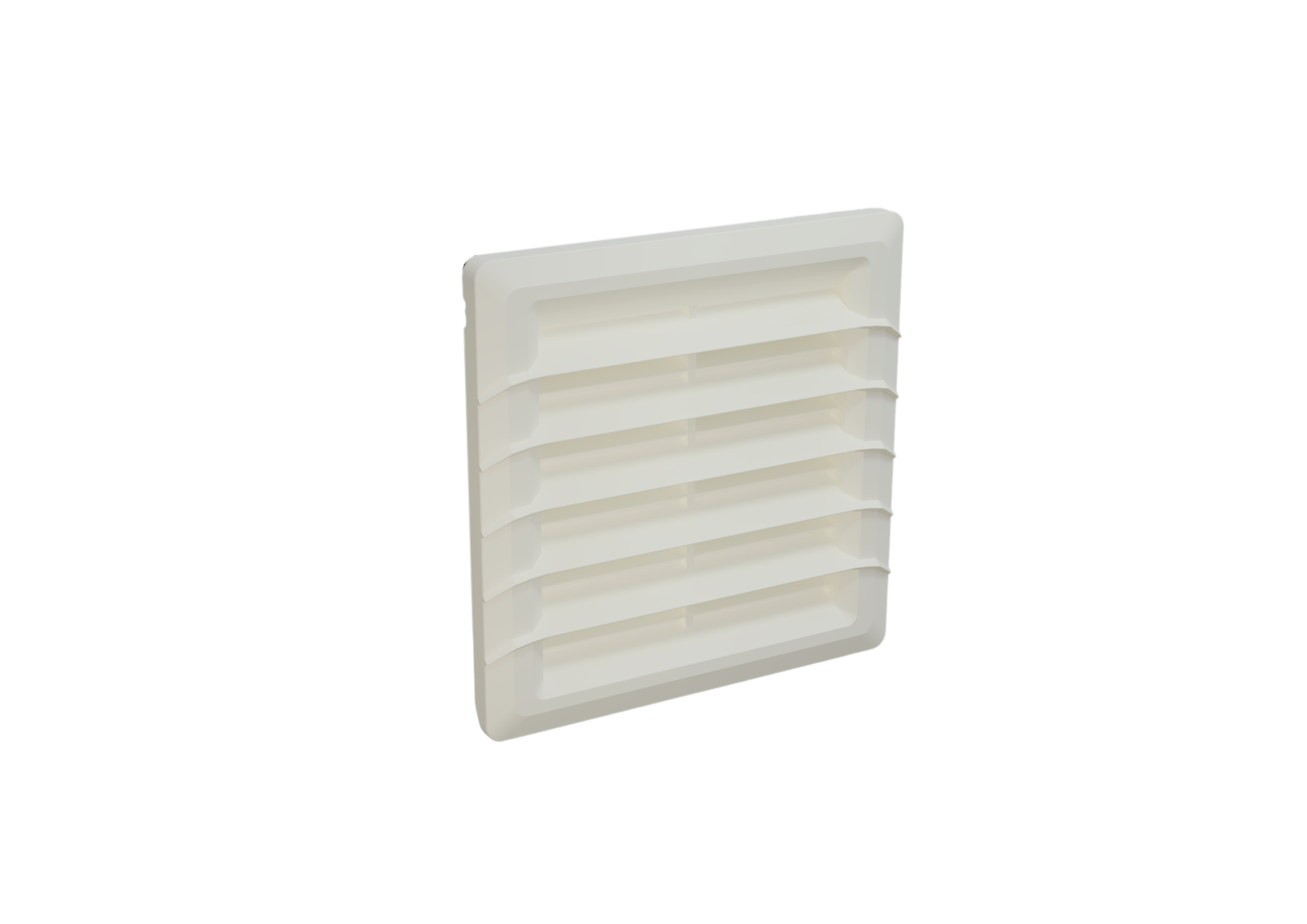
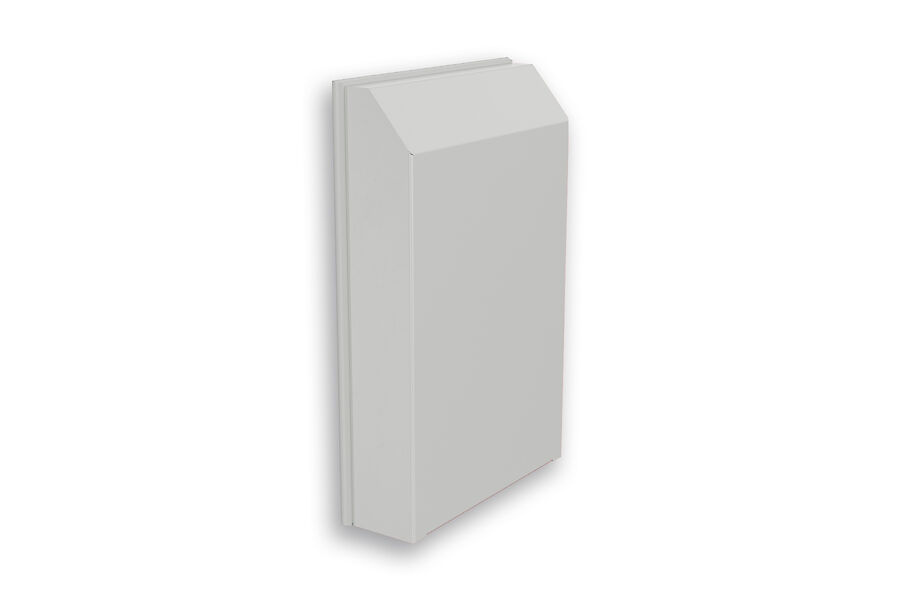
An exhaust filter is the exhaust outlet of the control cabinet ventilation system. It allows heated air to escape from the cabinet while simultaneously preventing dirt from entering through the exhaust opening from the outside. It is absolutely necessary for the control cabinet ventilation to function correctly: Without an outlet filter, no defined airflow is created and the cooling effect is greatly reduced.
How often does the control cabinet air filter need to be cleaned or replaced?
The cleaning intervals for the control cabinet air filter depend heavily on the level of environmental contamination. In dusty industrial environments, a monthly check may be necessary; in clean environments, a six-month interval is often sufficient. A clogged control cabinet filter significantly reduces airflow and can lead to overheating. Regular maintenance is therefore essential.
Can I retrofit a control cabinet fan?
Yes, filter fans can be easily retrofitted into existing control cabinets. To do this, a suitable cutout is made in the control cabinet wall and the filter fan is installed. Lm-therm offers models in standard sizes that are compatible with common cutout dimensions.
What is the difference between control cabinet ventilation and control cabinet cooling?
Control cabinet ventilation draws outside air through the cabinet and is only effective when the ambient temperature is cooler than the internal temperature of the control cabinet. Control cabinet cooling with compressor or Peltier cooling units, on the other hand, operates in a closed loop, actively cools the cabinet, and keeps it sealed.
What accessories are required for a complete control cabinet ventilation system?
A complete ventilation system for the control cabinet consists of at least one filter fan (supply air, bottom), an exhaust filter/exhaust fan (exhaust air, top), and a thermostat that temperature-controls the fan. A hygrostat for humidity monitoring is recommended as an option. Lm-therm offers all these components as a coordinated system.